IMPACT: IDENTITY, BELONGING & MIGRATION
Immigrant Artists: Curating Stories of Identity
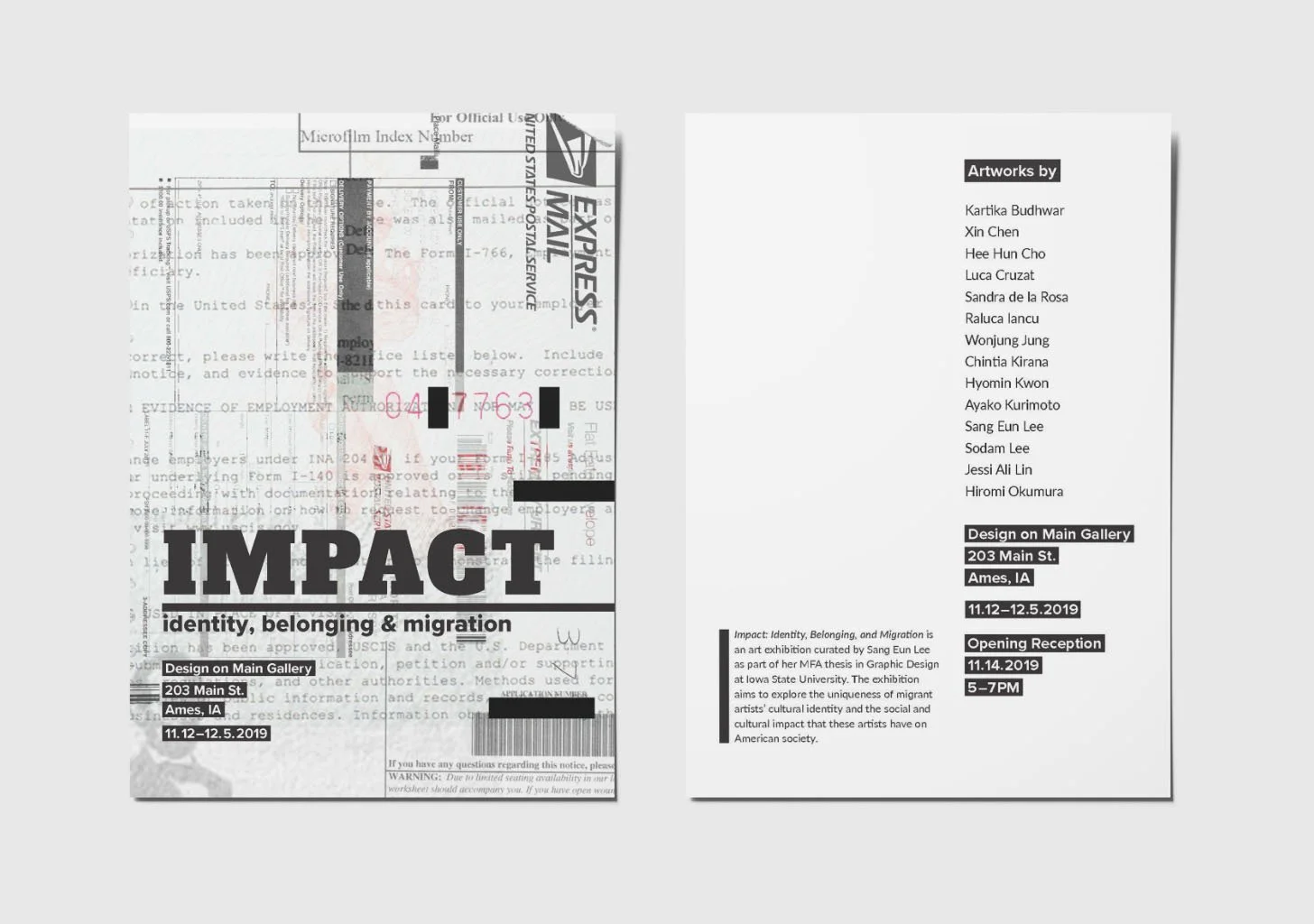
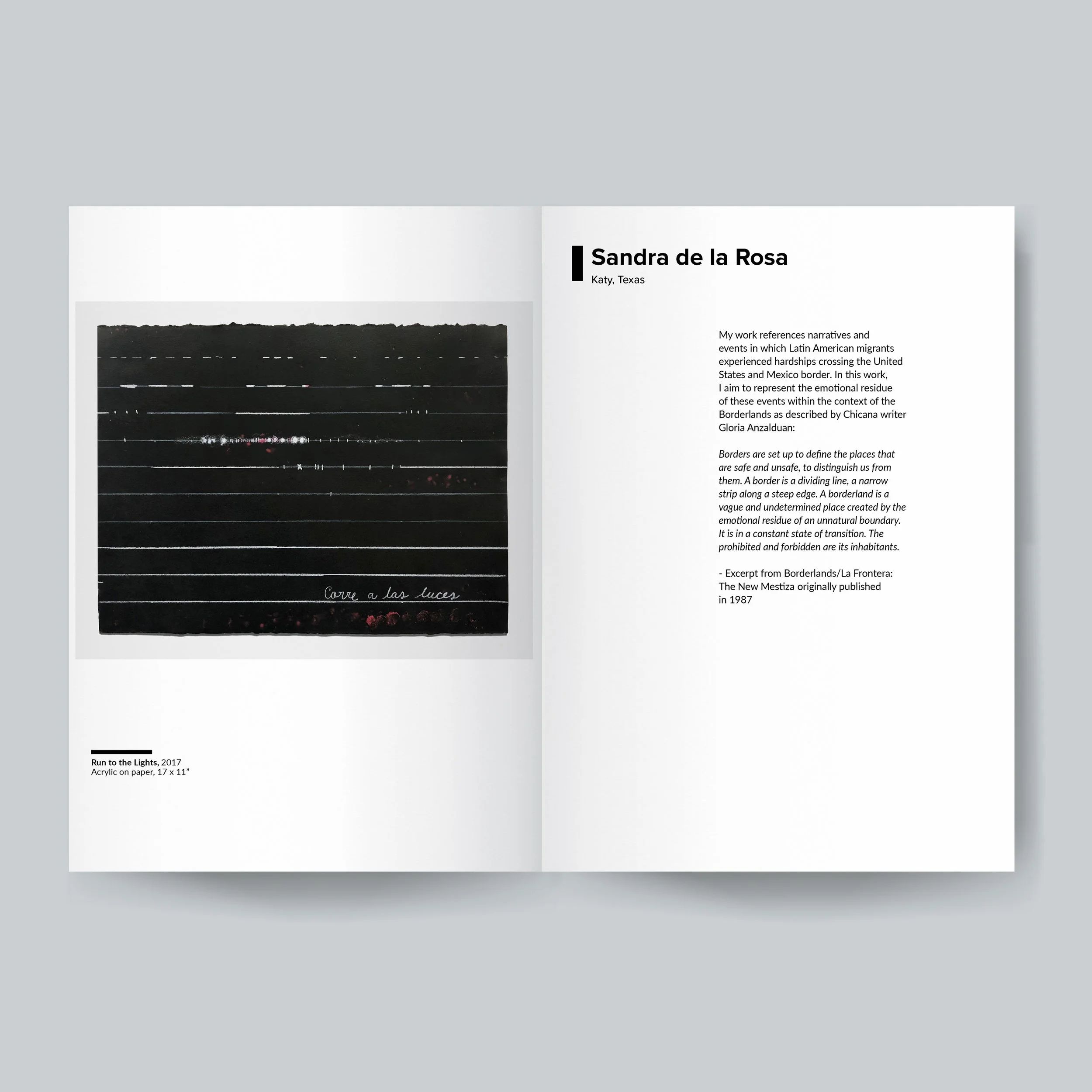
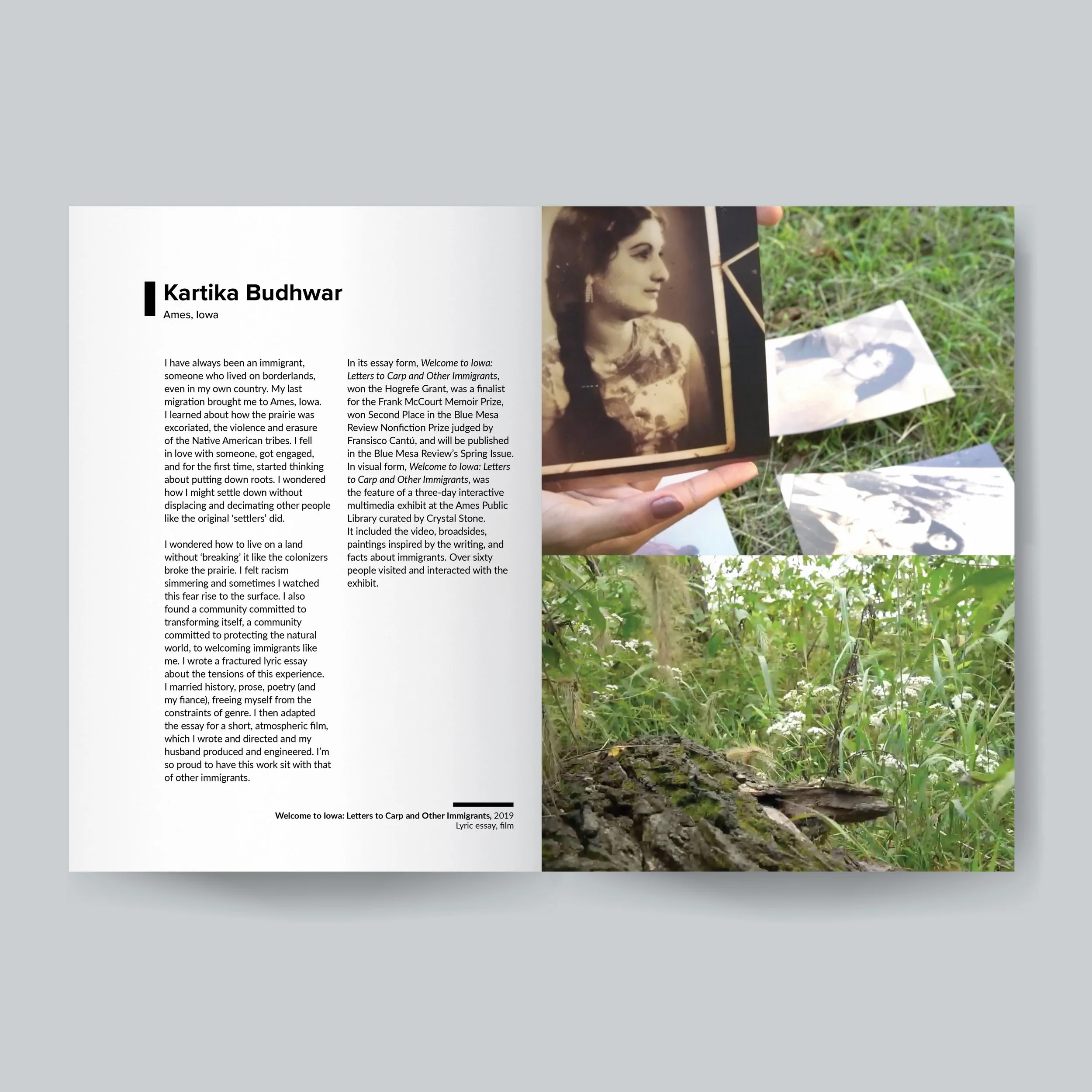
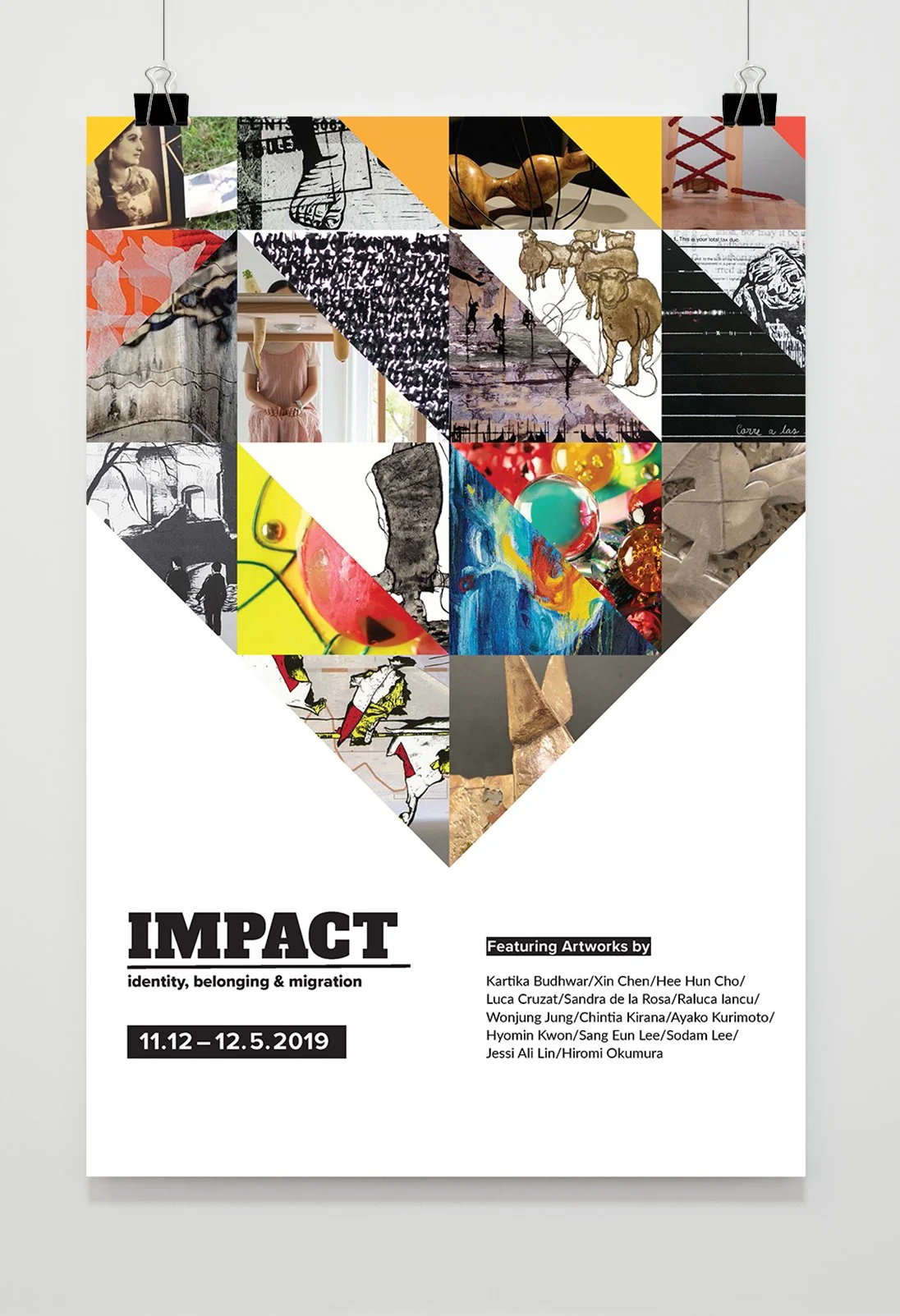
Developed as my MFA thesis exhibition and research project, this work explored curatorial practice as a form of design research. Rather than presenting a traditional solo MFA exhibition of my own work, I conceived, curated, and designed a group exhibition featuring 14 immigrant artists, using the exhibition itself as a platform for investigating experiences of identity, belonging, migration, and cultural adaptation.
The project was informed by interviews and conversations with immigrant artists about how their cultural backgrounds, lived experiences, and changing relationships to place influenced their creative practices. These perspectives guided the selection, organization, and presentation of work within the exhibition and shaped how individual stories were brought together into a broader narrative about immigrant experience.
Through curatorial and exhibition design, the project examined how design can create spaces for dialogue, amplify diverse perspectives, and encourage audiences to engage with experiences different from their own. The resulting public exhibition brought together multiple cultural perspectives while demonstrating how exhibition design and curatorial practice can function as tools for community engagement, cultural representation, inclusion, and social impact.
Research Areas: • Exhibition & Curatorial Design • Social Design • Community Engagement • Cultural Identity • Design Research • Design for Social Change
Results
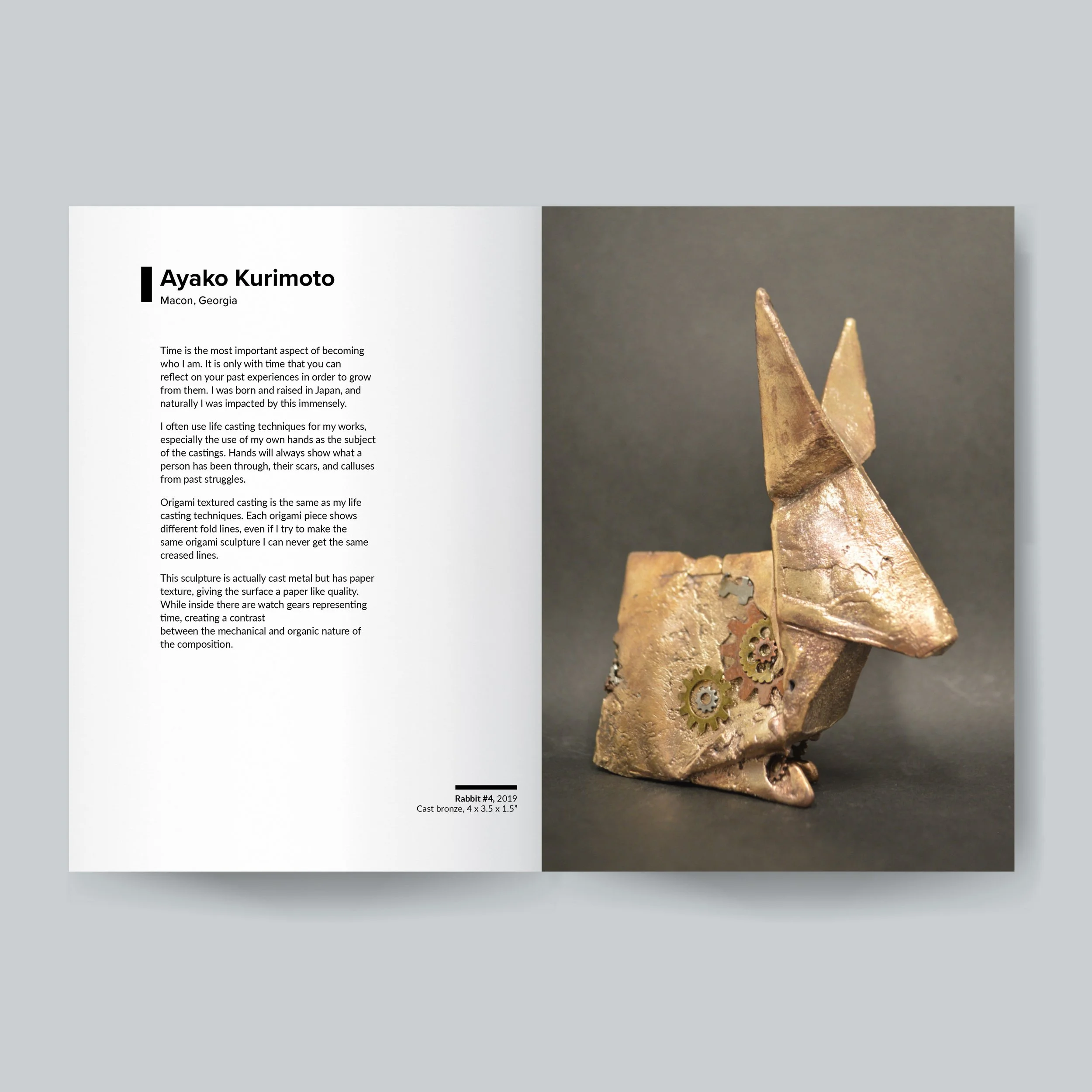
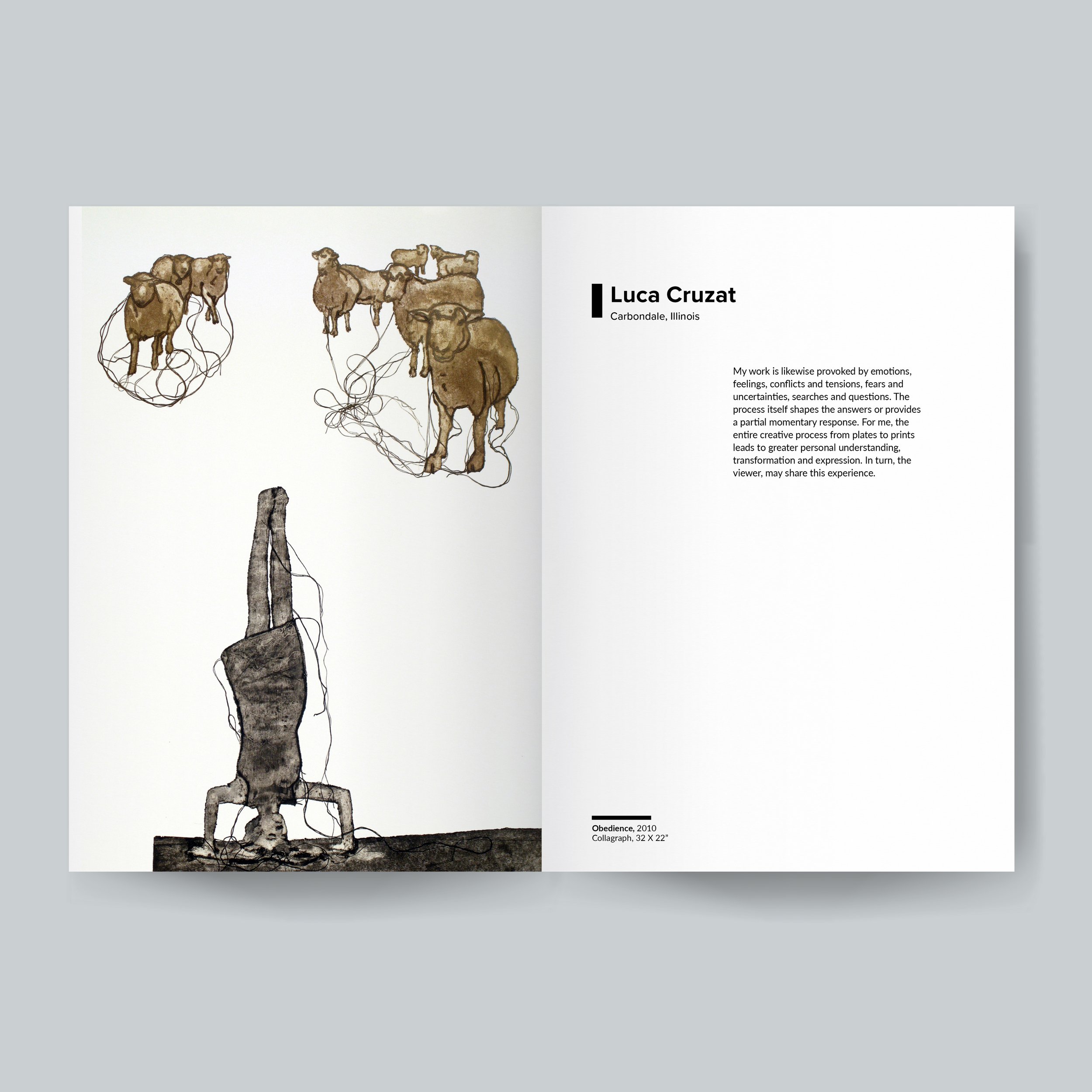
Interviews with participating immigrant artists provided the foundation for the exhibition, allowing each artist to share personal experiences, perspectives, and reflections in their own words. These conversations informed how their stories were represented throughout the exhibition and helped connect their creative work with broader experiences of identity, migration, belonging, and cultural adaptation.
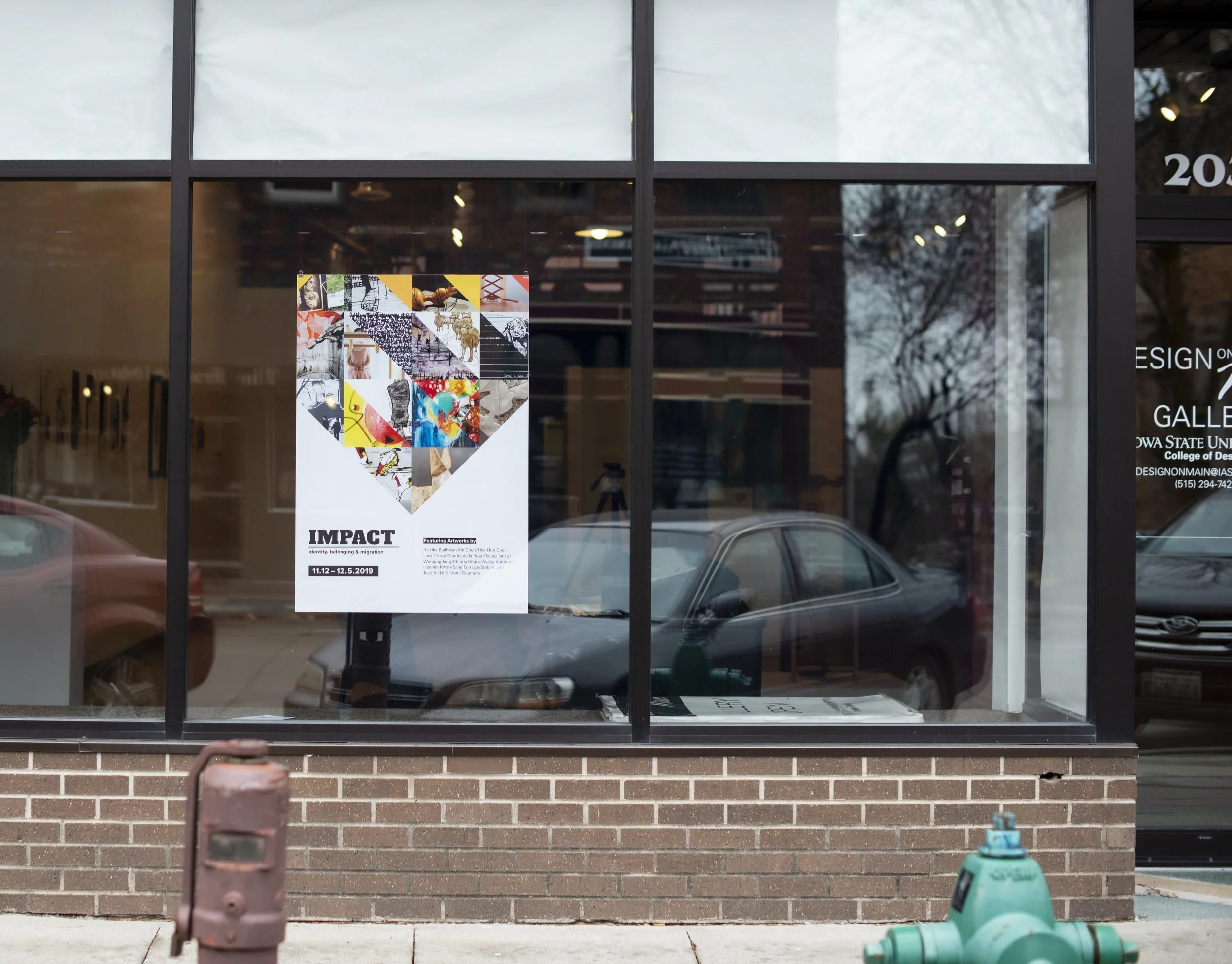
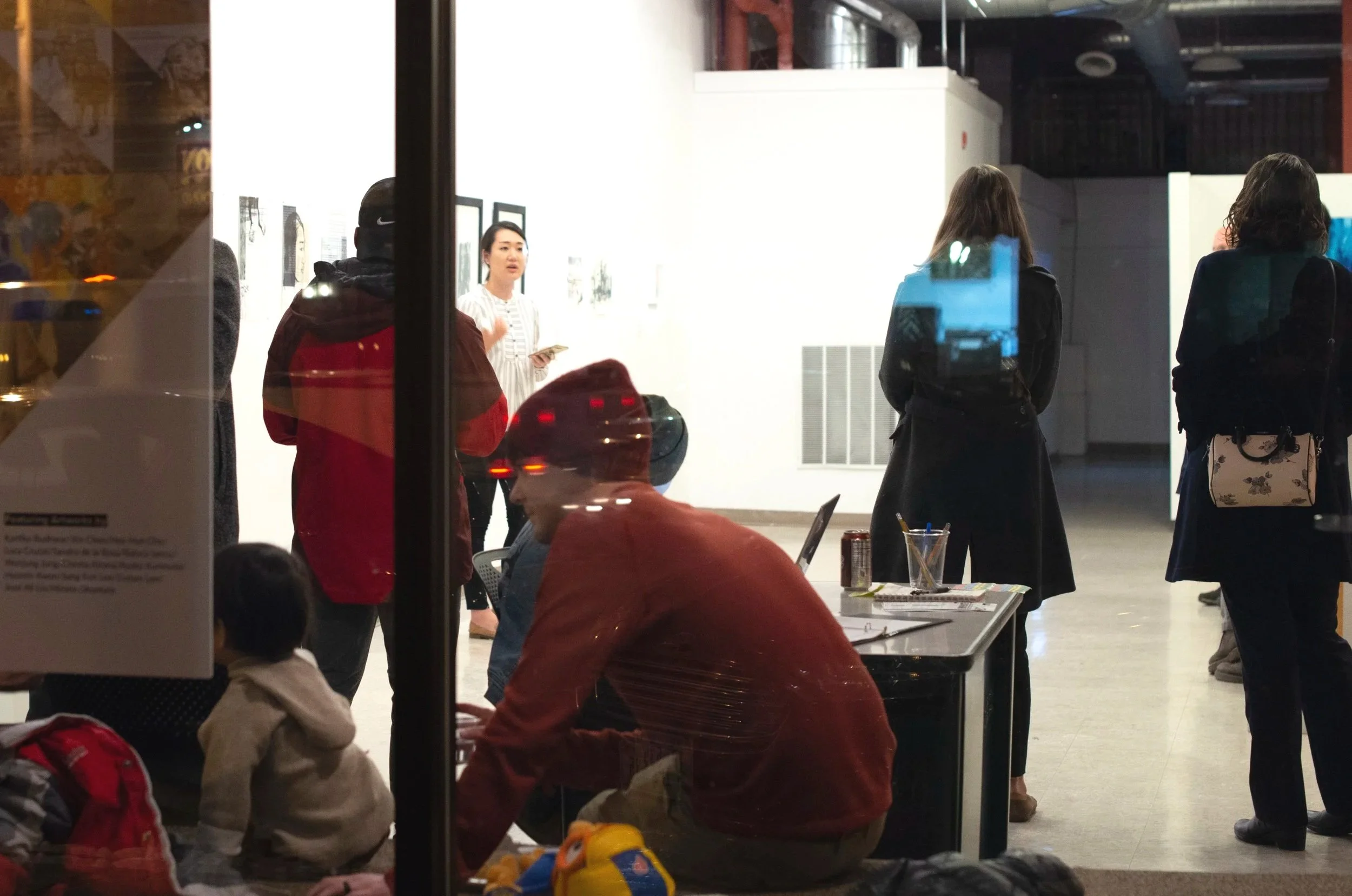
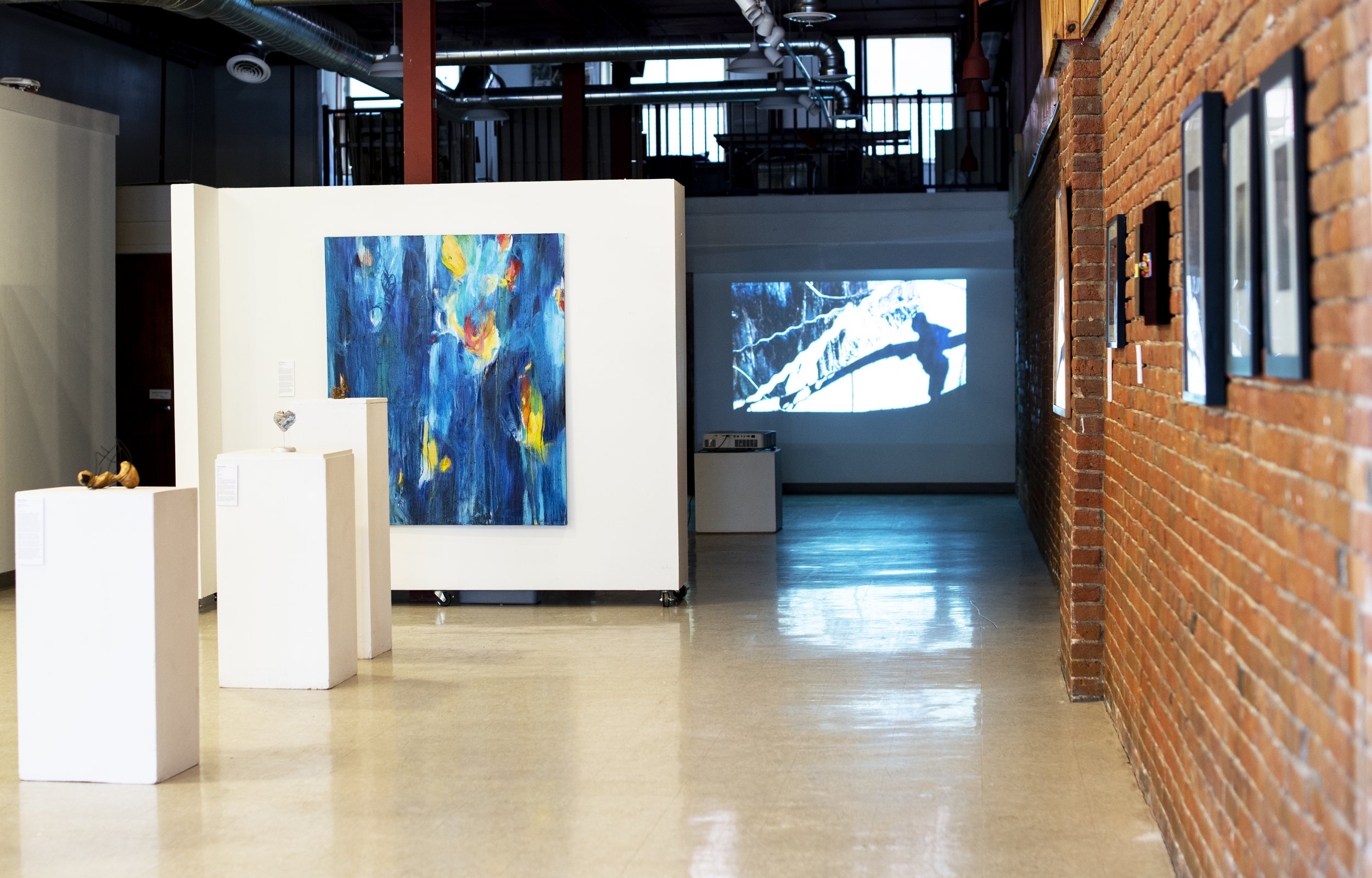
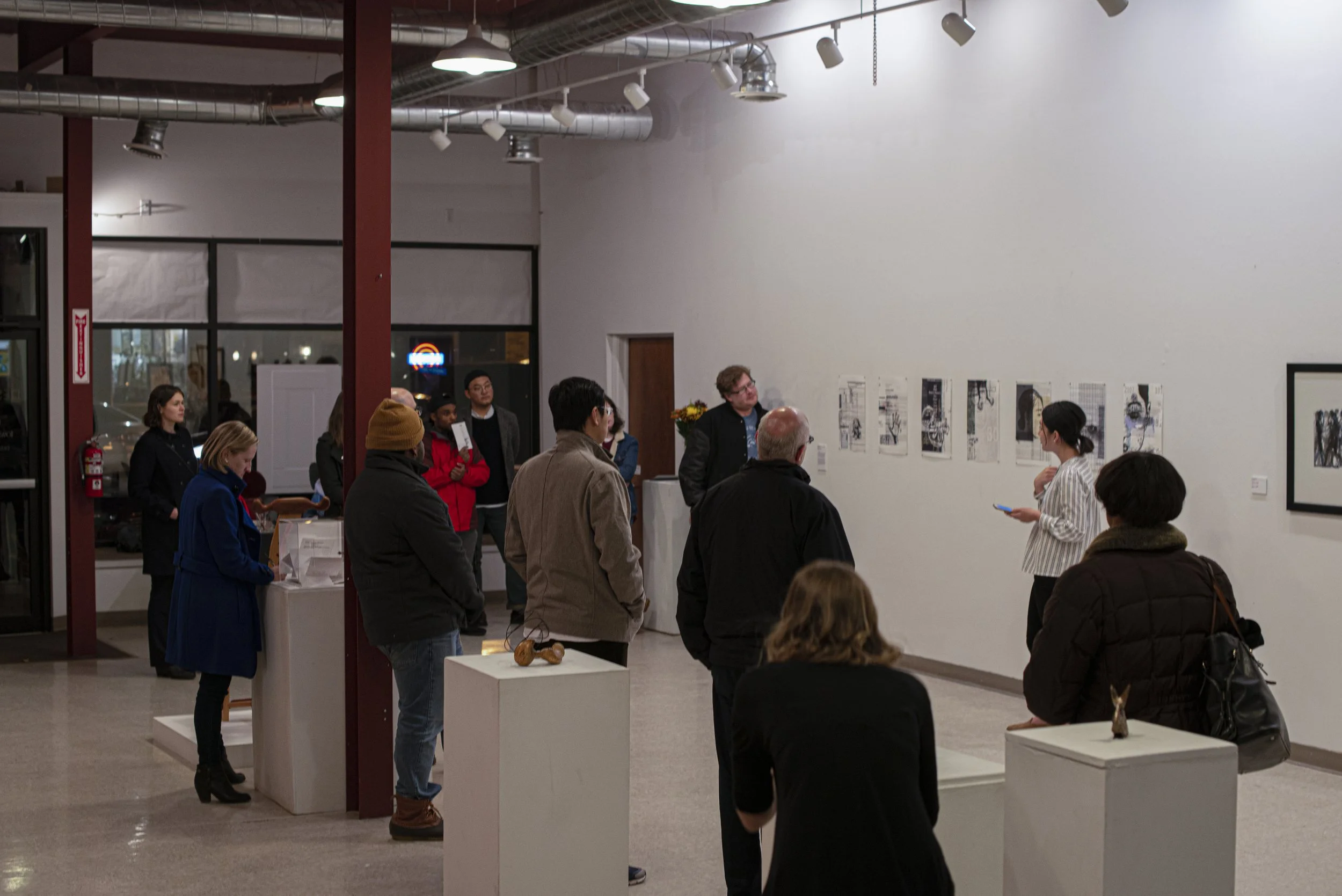
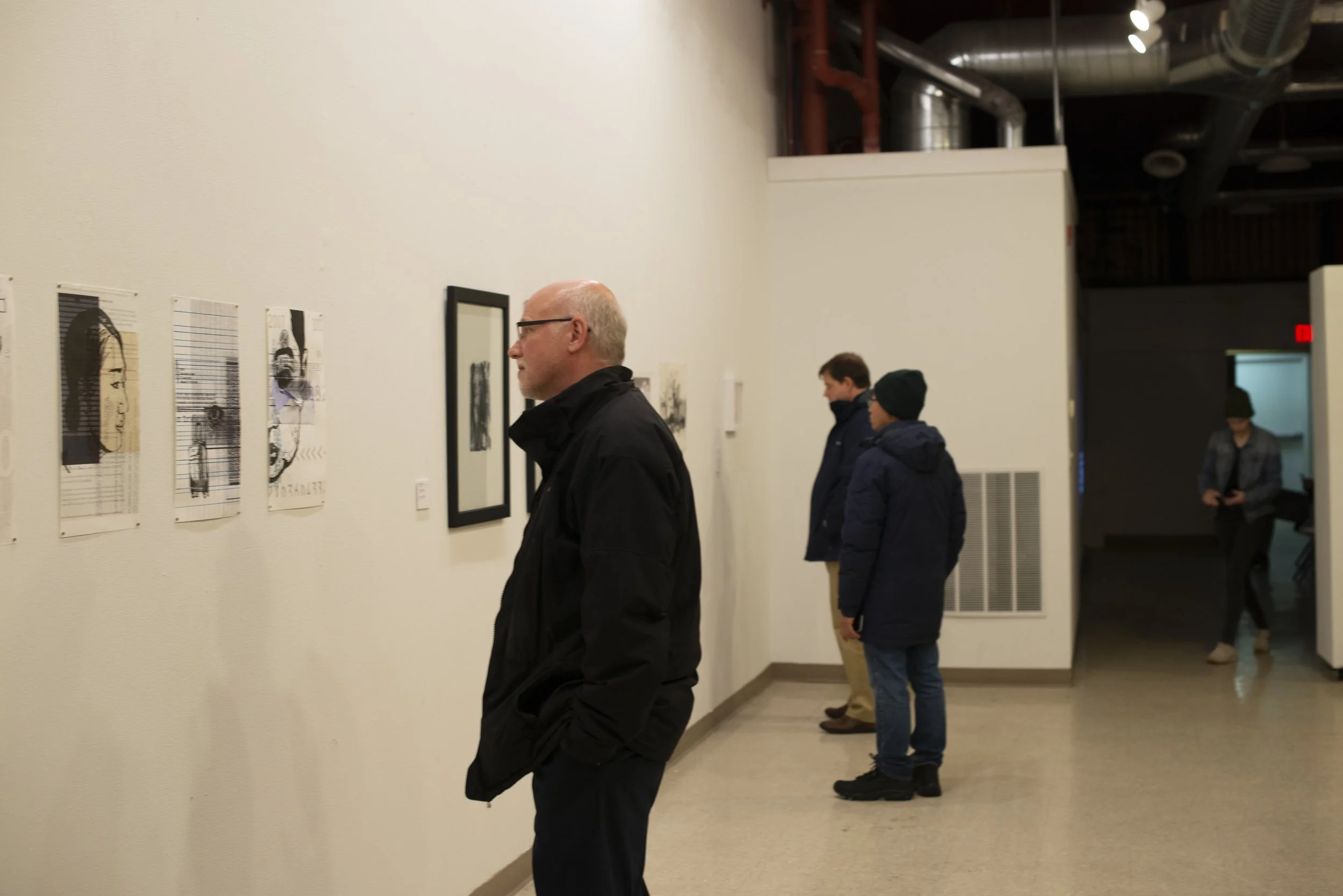
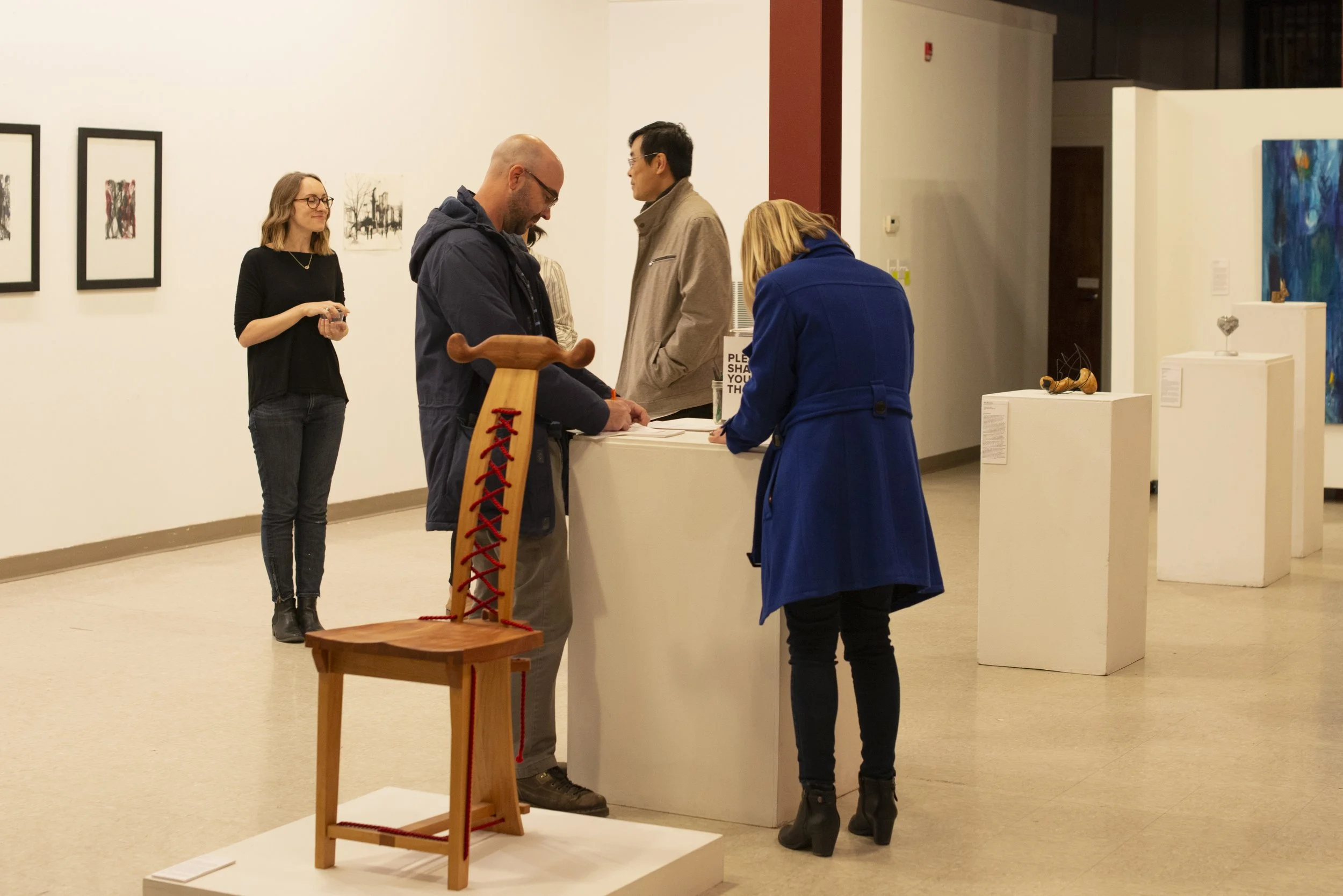
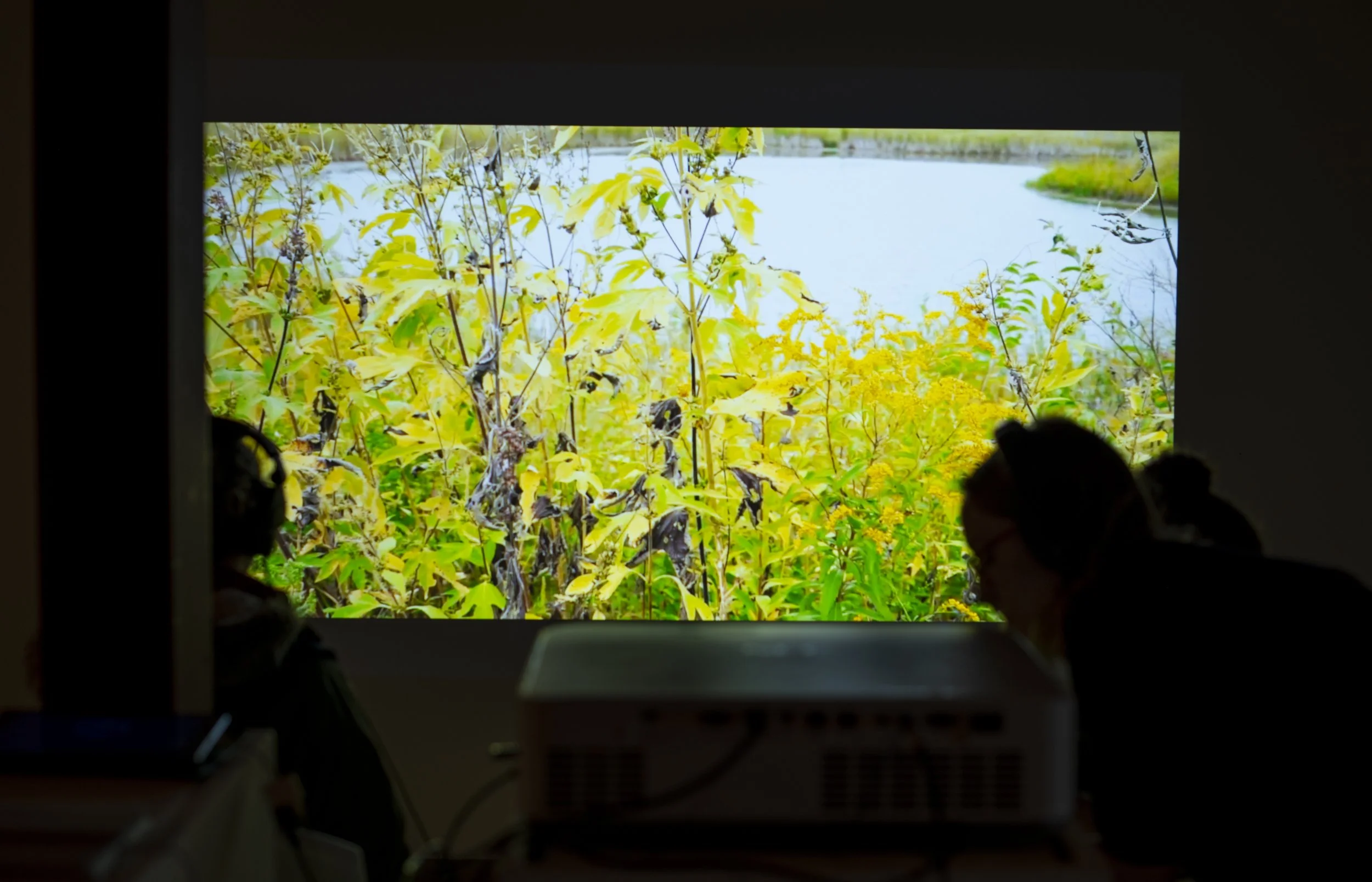
The final exhibition at Gallery on Main brought these stories together through visual storytelling, spatial design, and interactive elements. Rather than presenting individual works in isolation, the exhibition connected personal narratives throughout the space, inviting visitors to engage with the diverse experiences and perspectives of the participating artists.
The exhibition extended beyond the display of individual artworks by creating opportunities for visitors to engage more deeply with the artists’ stories and perspectives. Through the integration of interview narratives, visual materials, and interactive elements, visitors could encounter the artists’ voices alongside their creative work and reflect on the experiences represented throughout the exhibition. In this way, the exhibition created a shared space for storytelling, reflection, connection, and dialogue around immigrant experiences.