EQUITABLE DESIGN TOOLKIT (EDT)
The Equitable Design Toolkit (EDT)
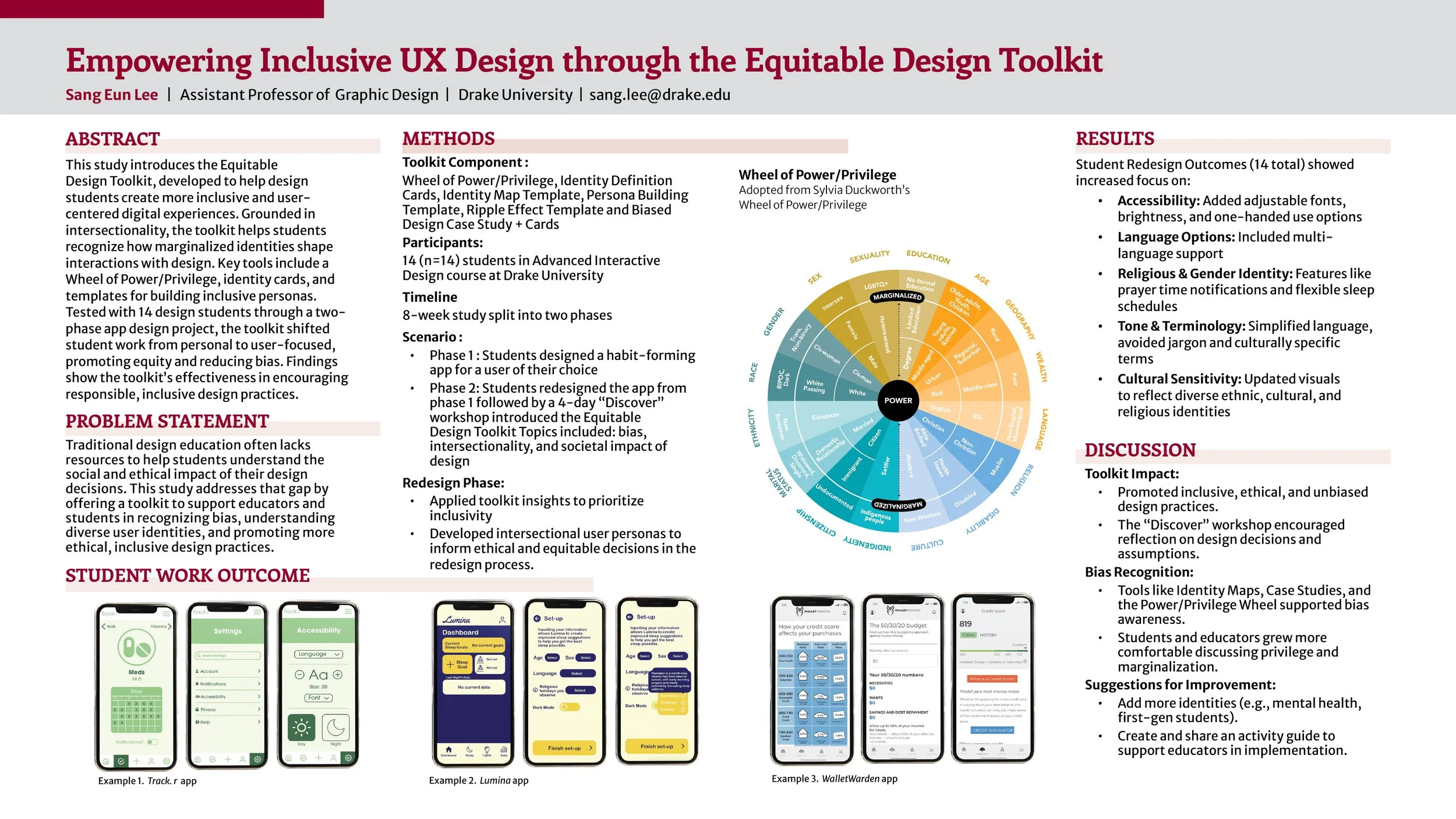
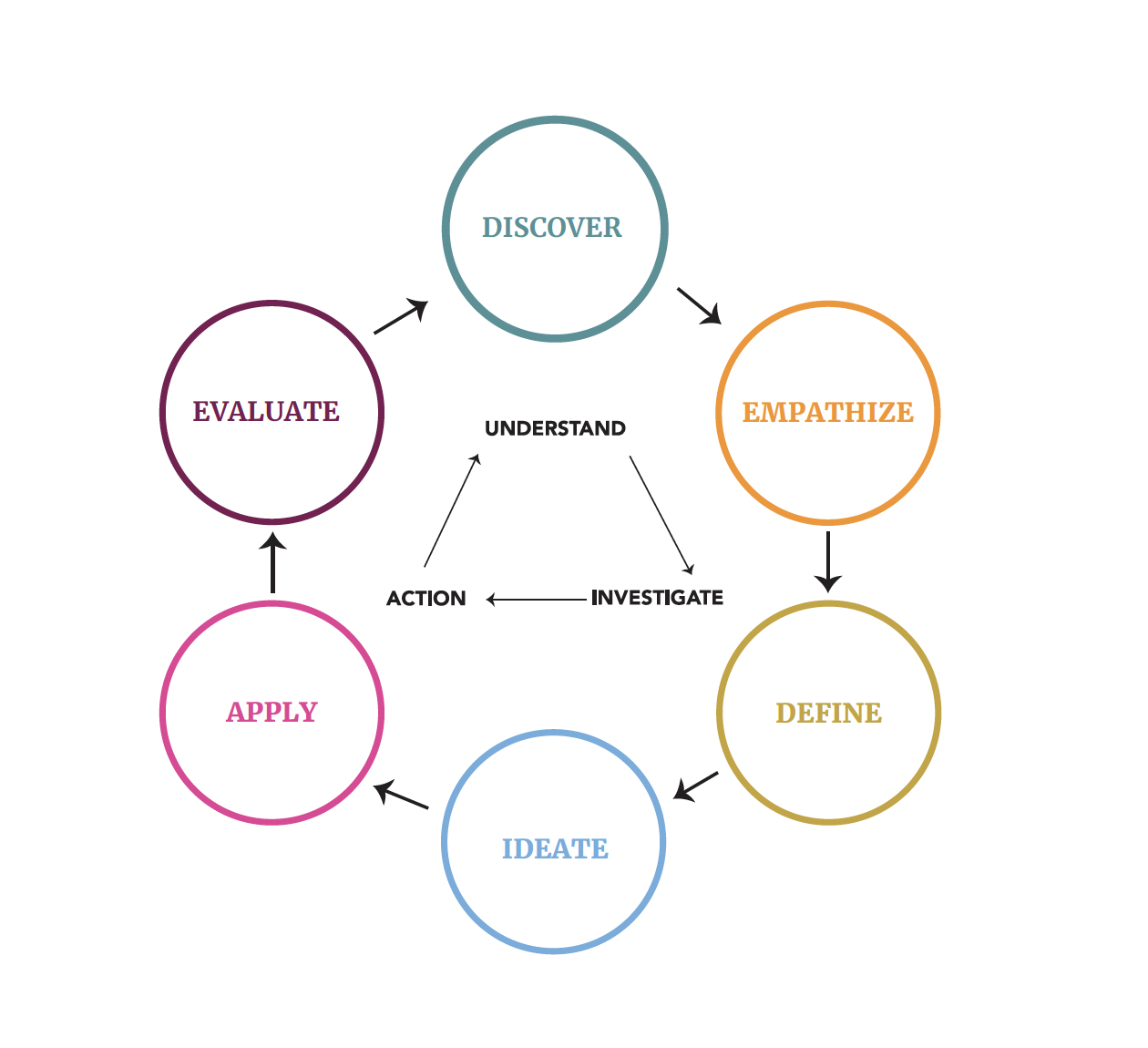
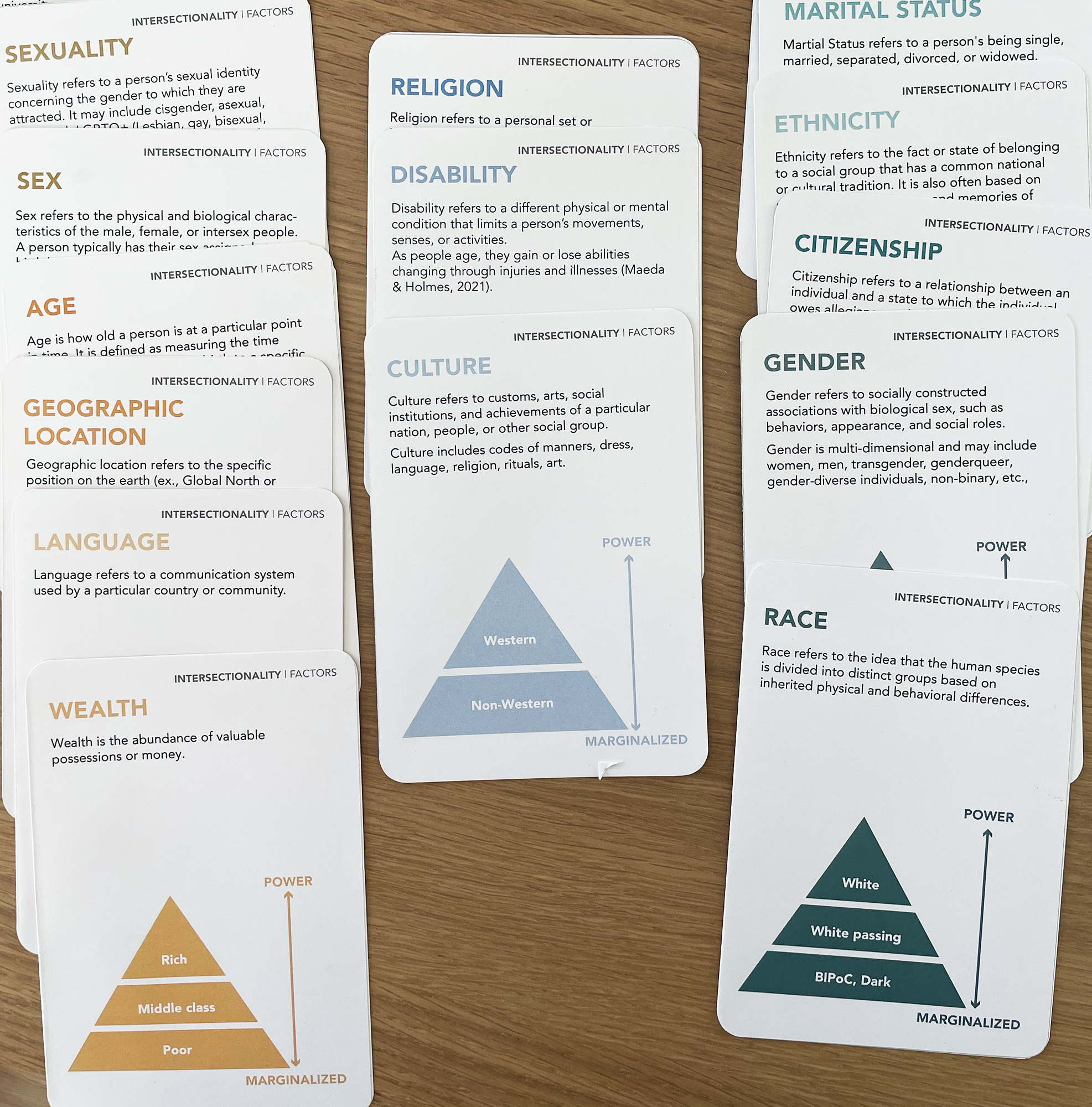
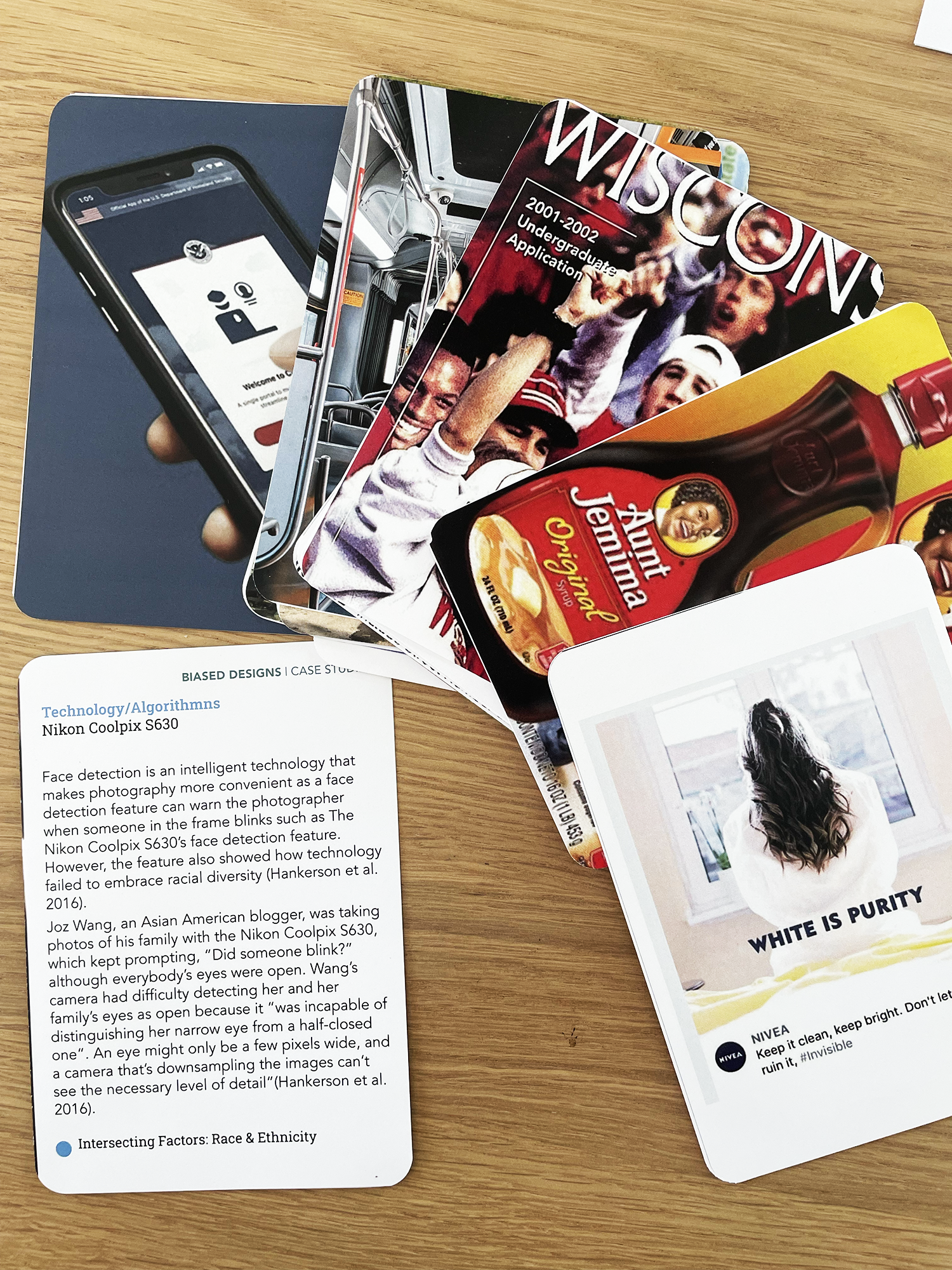
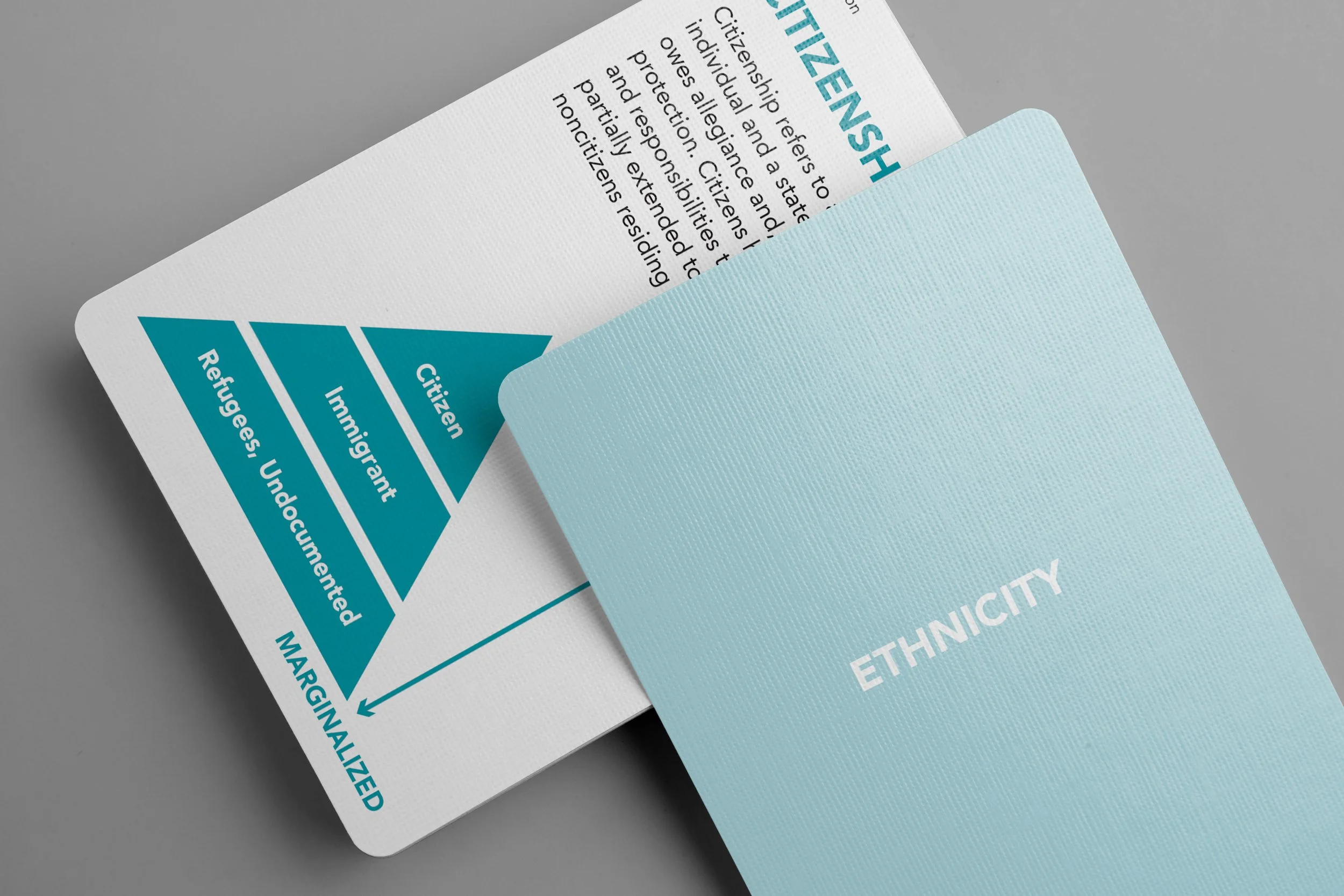
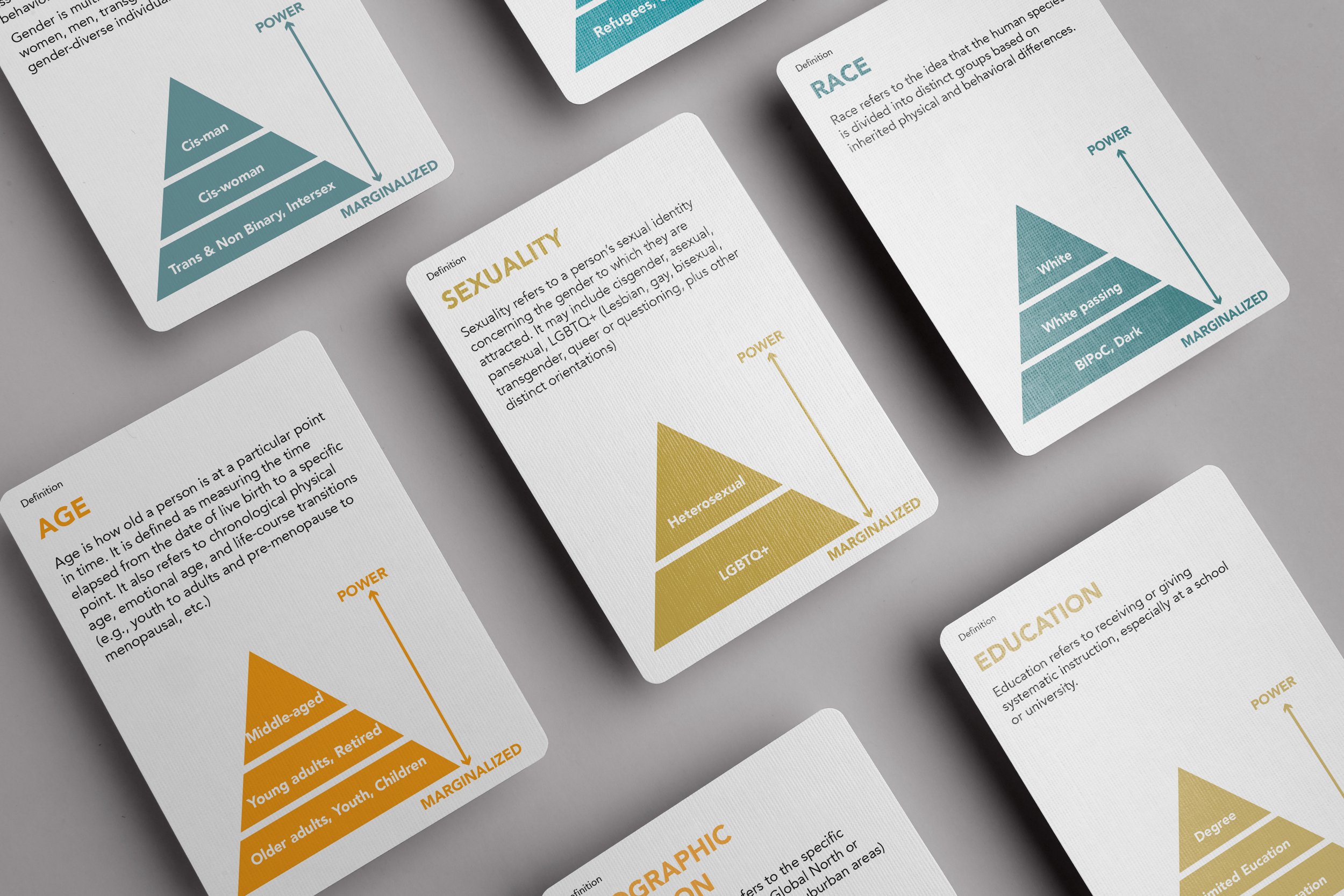
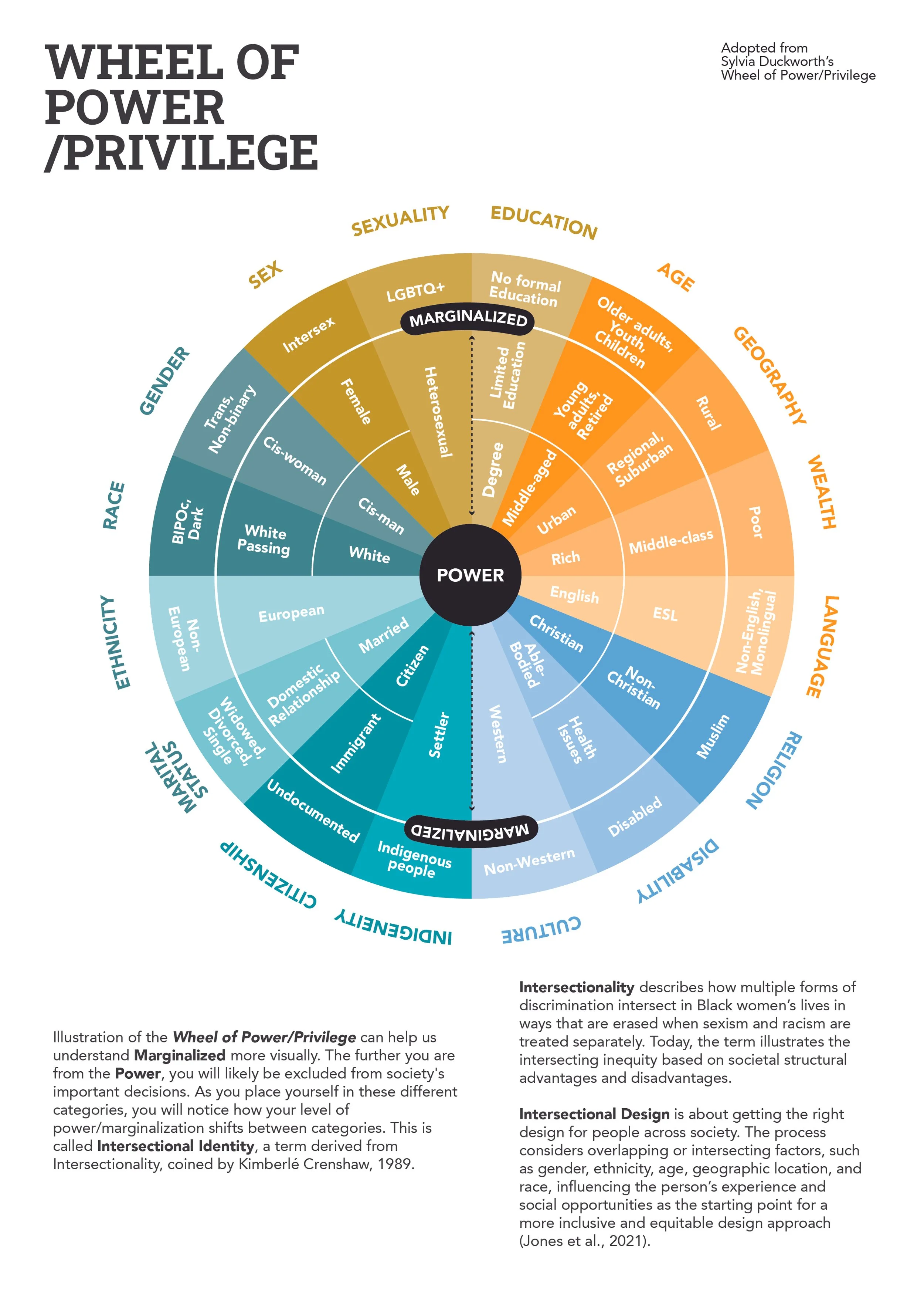
The Equitable Design Toolkit (EDT) is a research-informed educational framework developed to help design students create more inclusive and representative user personas. Grounded in principles of equity-centered design, intersectionality, and critical reflection, the toolkit encourages students to consider lived experiences, systems of privilege, and structural barriers throughout the UX design process.
The toolkit was developed through an iterative research process and evaluated in undergraduate UX courses using qualitative and quantitative methods. Findings demonstrated that students developed a deeper understanding of diverse user experiences, challenged personal assumptions, and produced more thoughtful and inclusive design outcomes. This work contributes to design education by providing practical strategies for integrating equity-centered thinking into UX and human-centered design curricula.
Research Areas:• UX Education • Equity-Centered Design • Human-Computer Interaction • Accessibility • Design Pedagogy
Discover Workshop
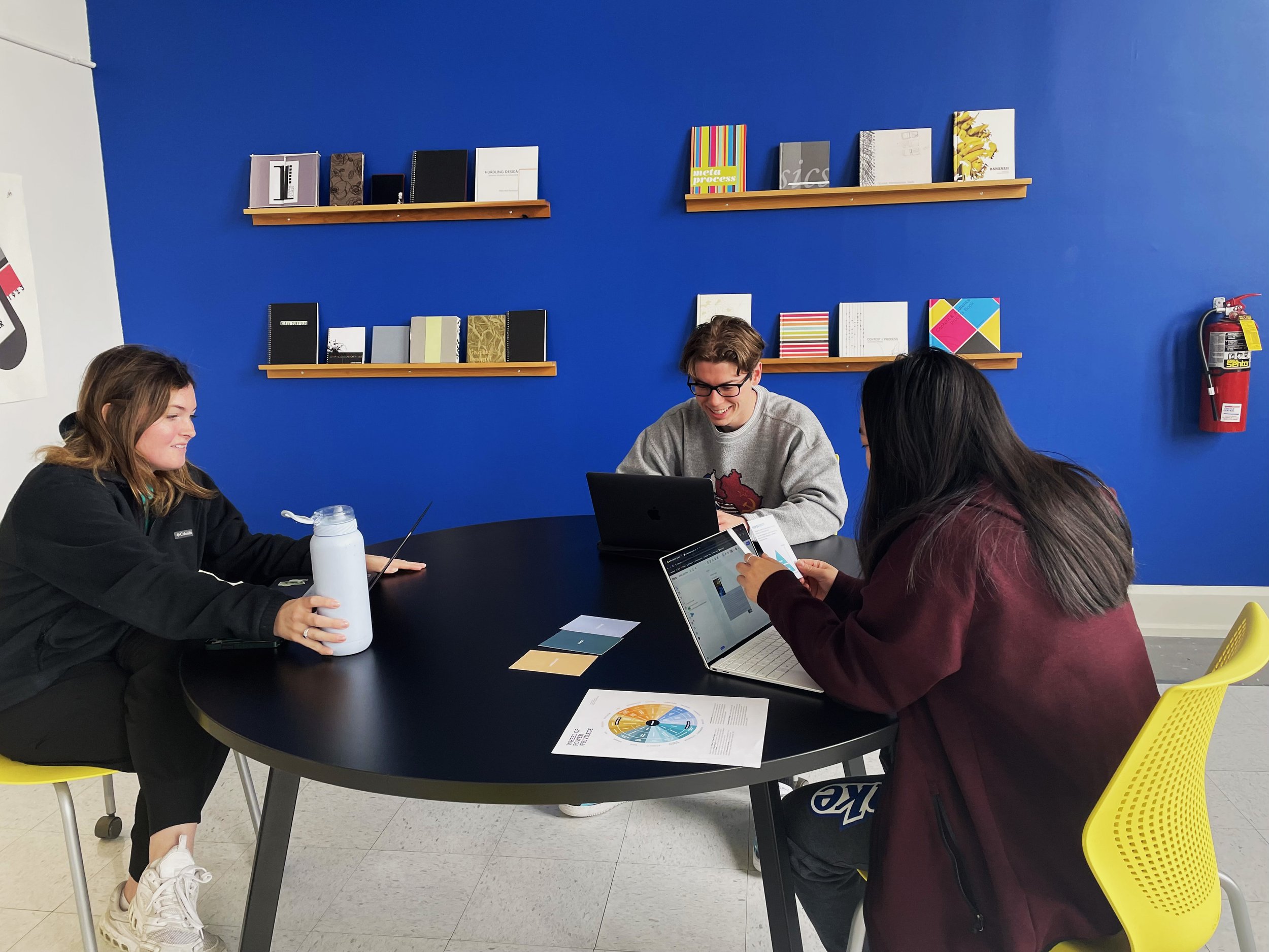
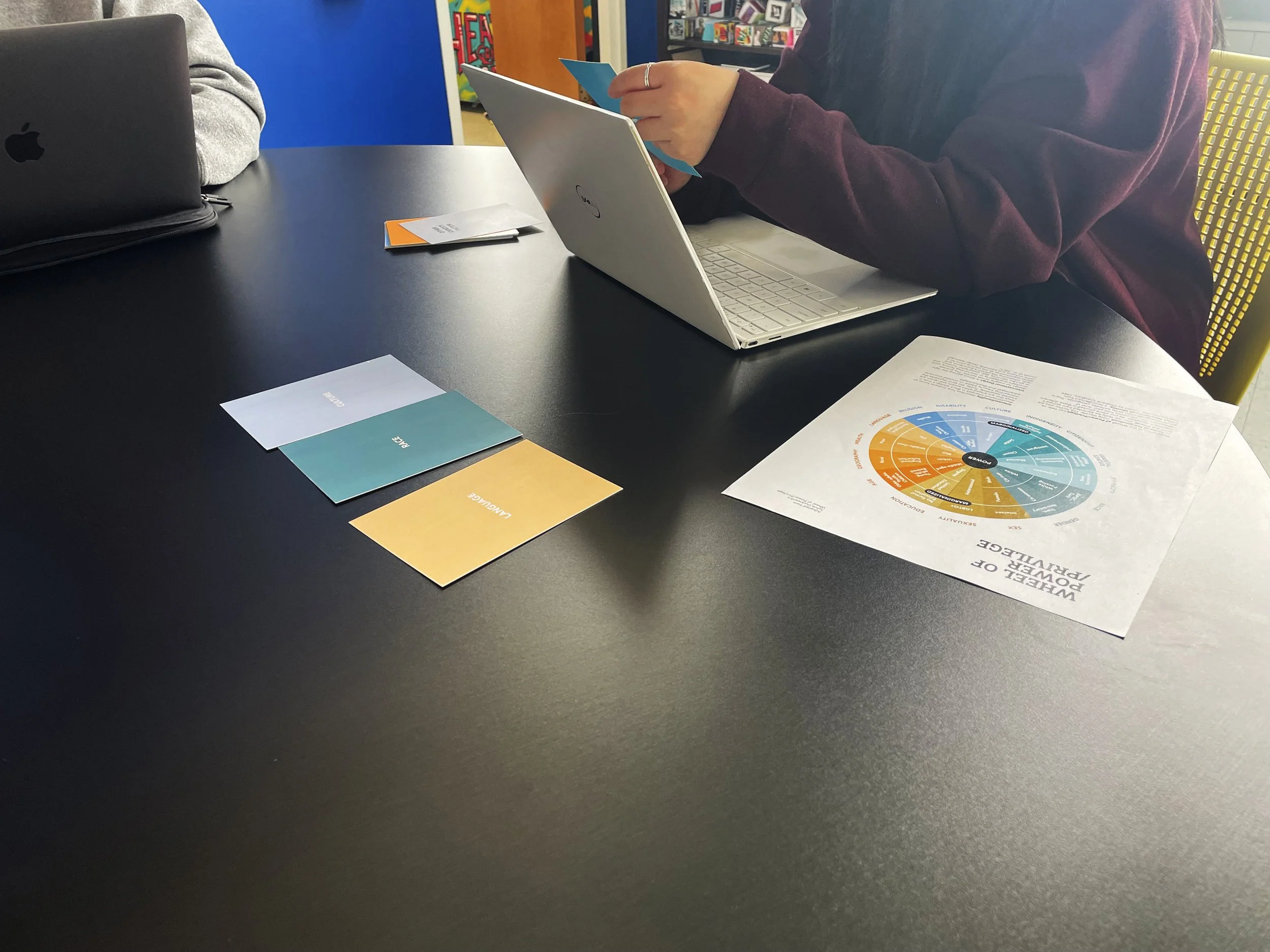
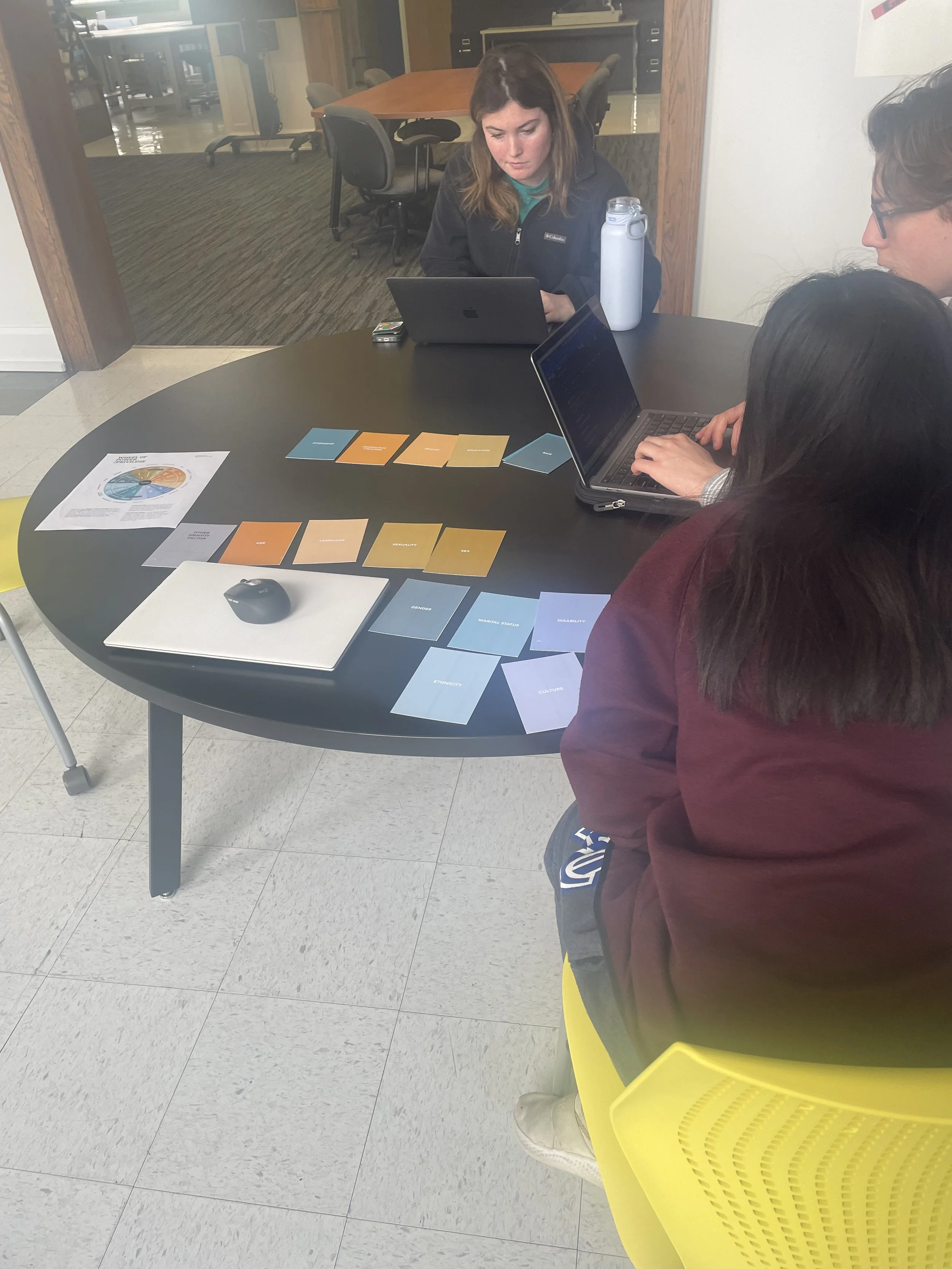
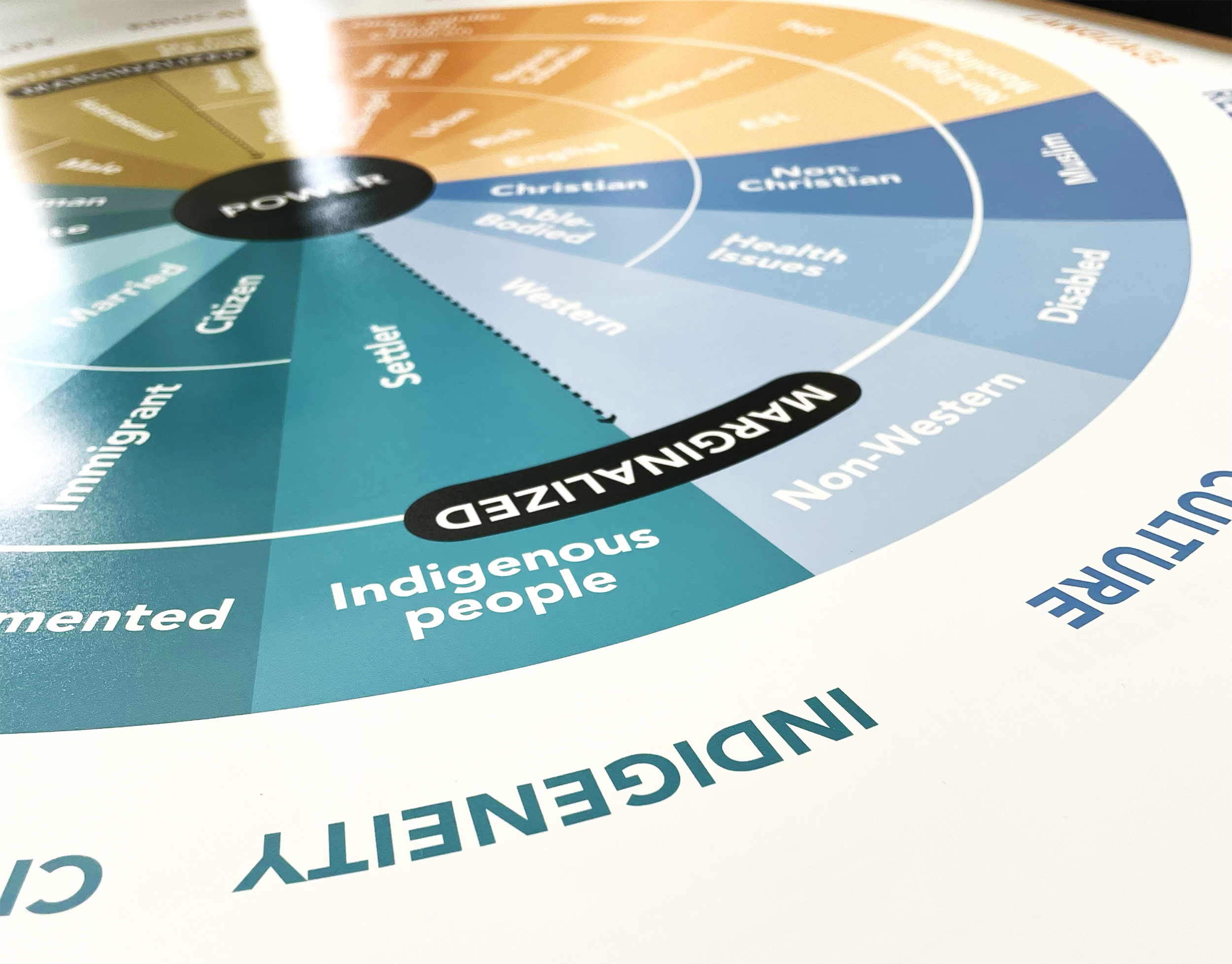
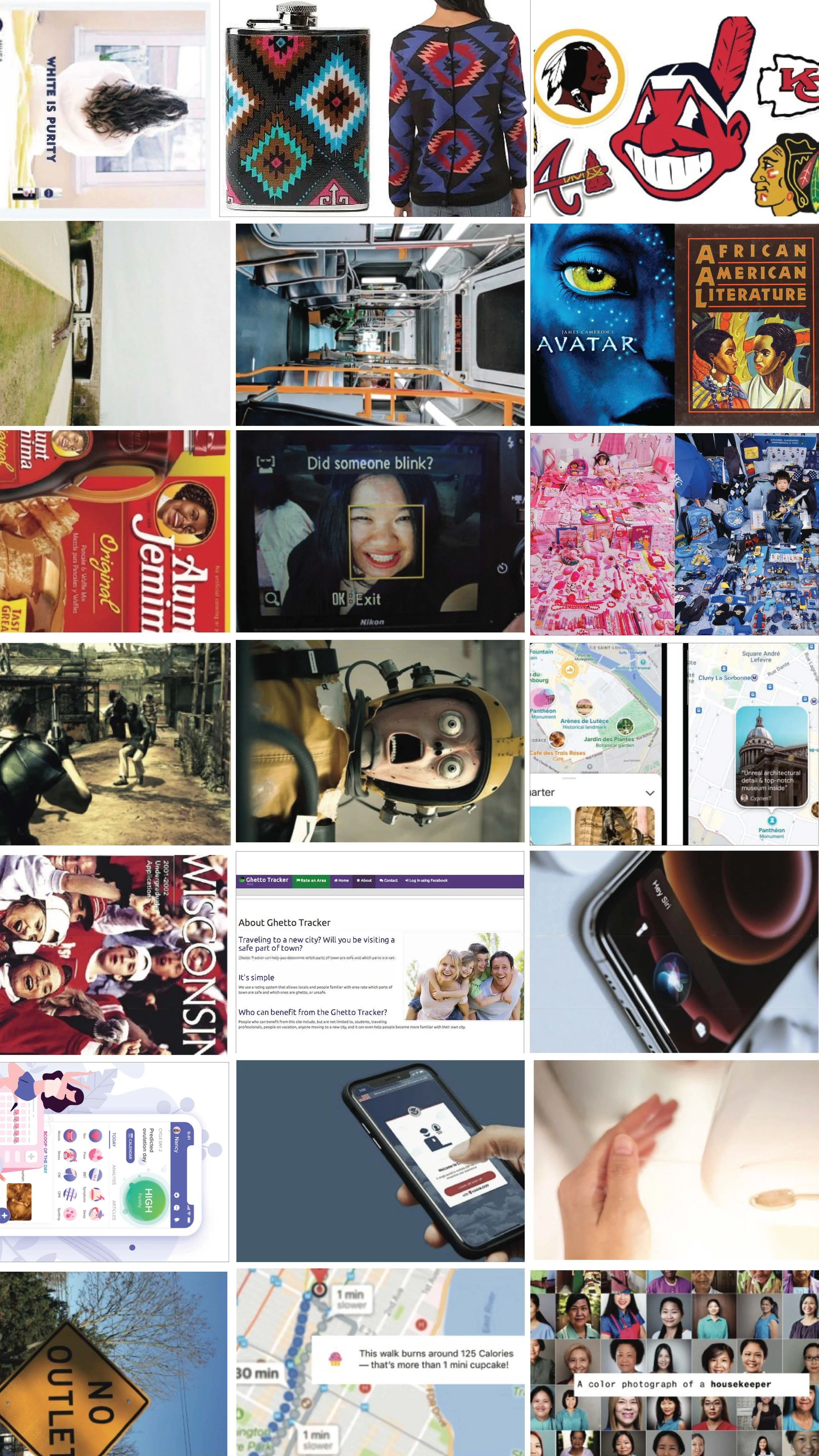
The Discover Workshop introduces students to equity-centered design through guided activities that explore identity, intersectionality, privilege, and lived experiences. Using the Equitable Design Toolkit, students examine how their own identities and assumptions can influence the way they understand users and approach design problems. Through reflection and discussion, students consider perspectives and experiences that may differ from their own while identifying social, cultural, and contextual factors that shape how people interact with designed products, services, and environments. These insights provide a foundation for more thoughtful user research and persona development, helping students recognize potential biases, consider a broader range of user needs, and make more inclusive and equitable design decisions throughout the design process.
Results: Student Work Samples
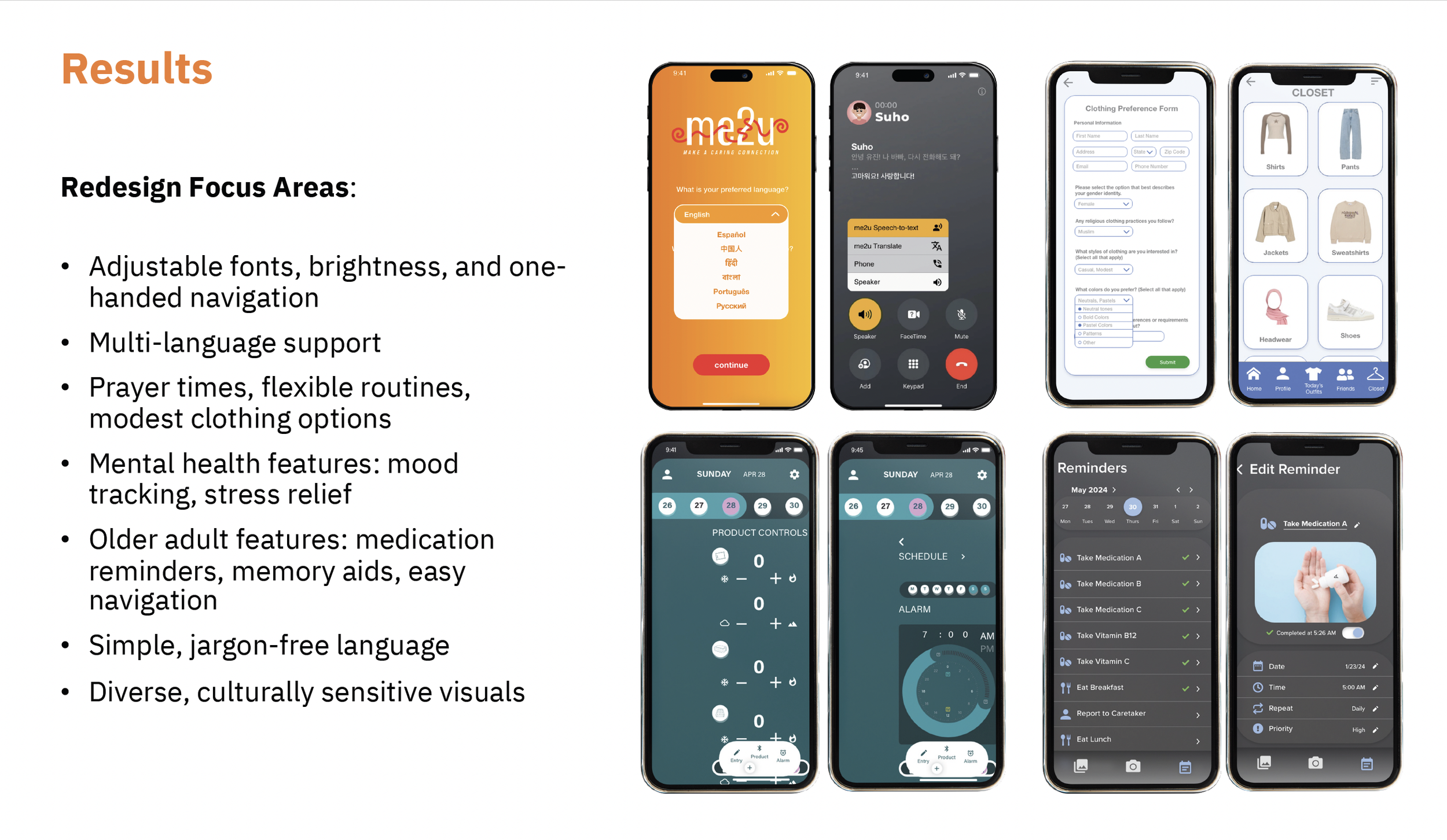
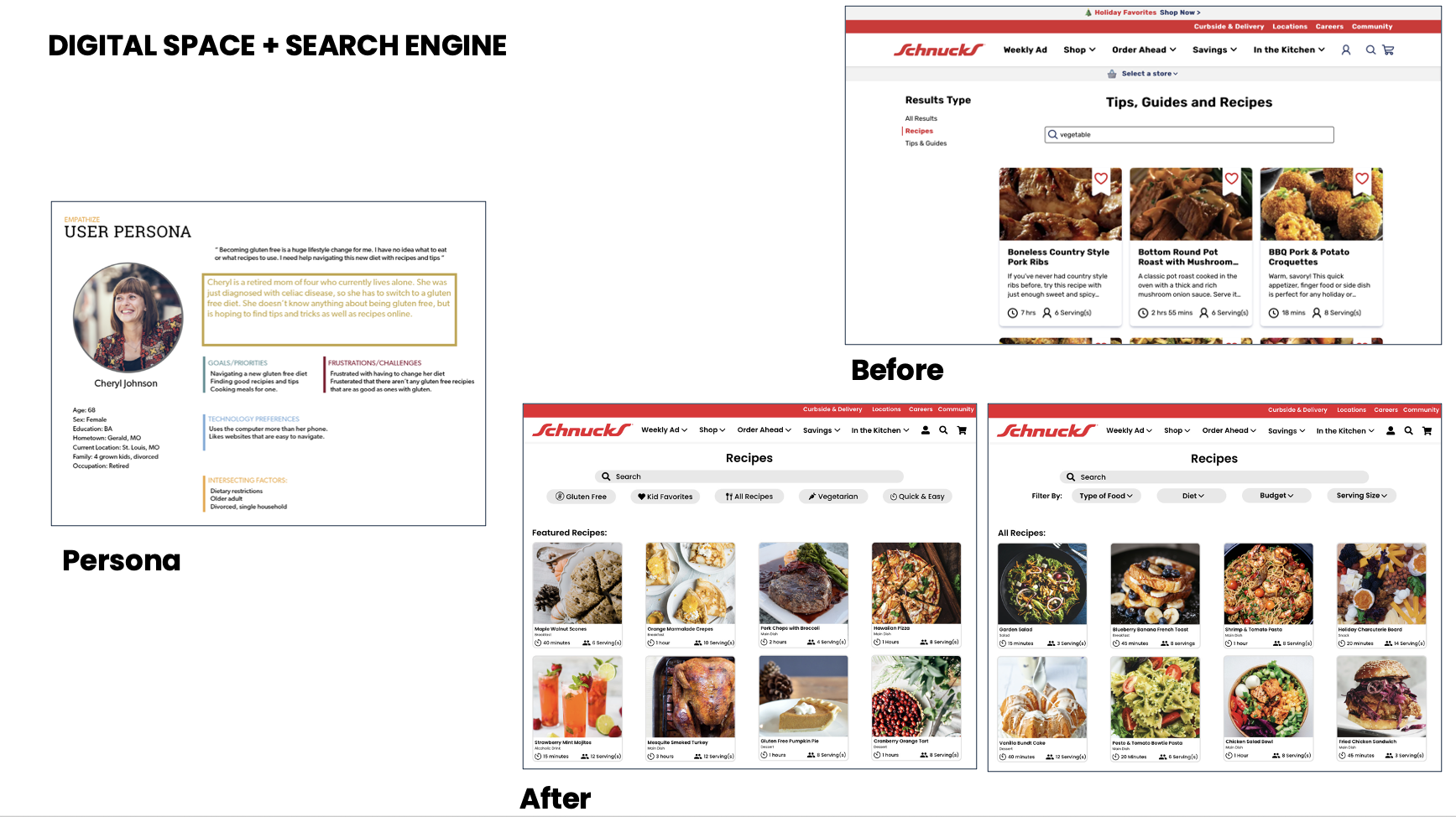
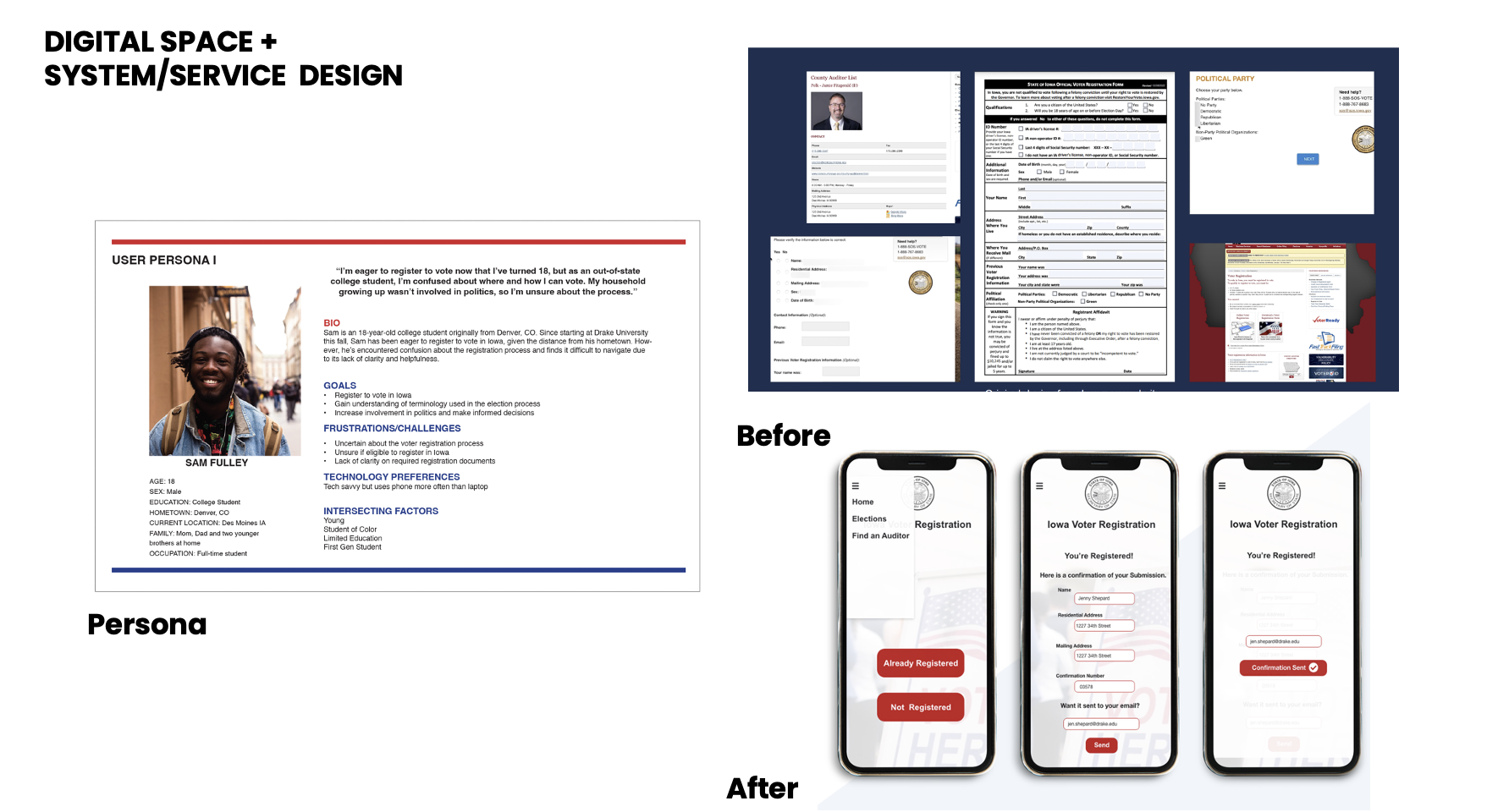
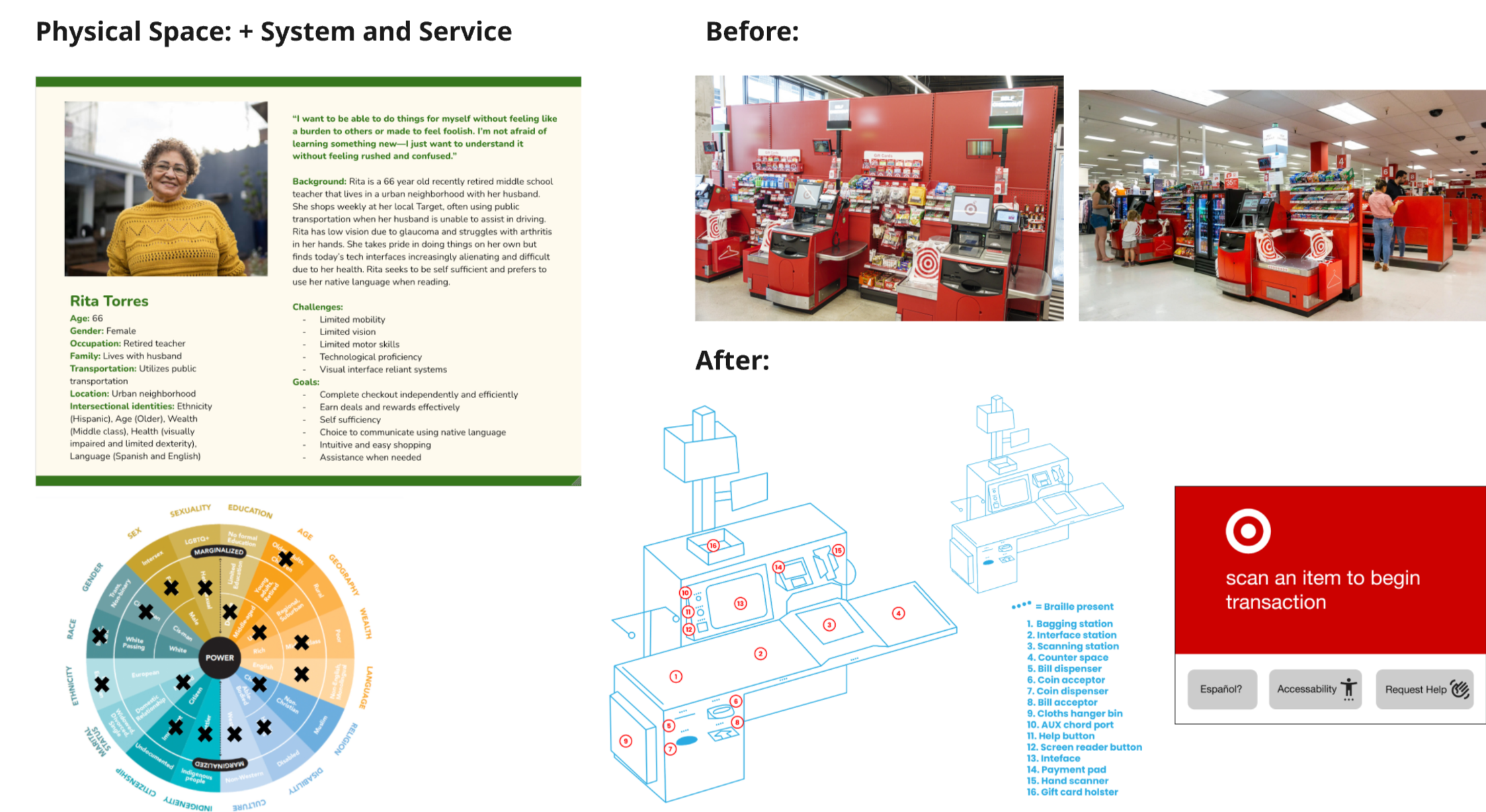
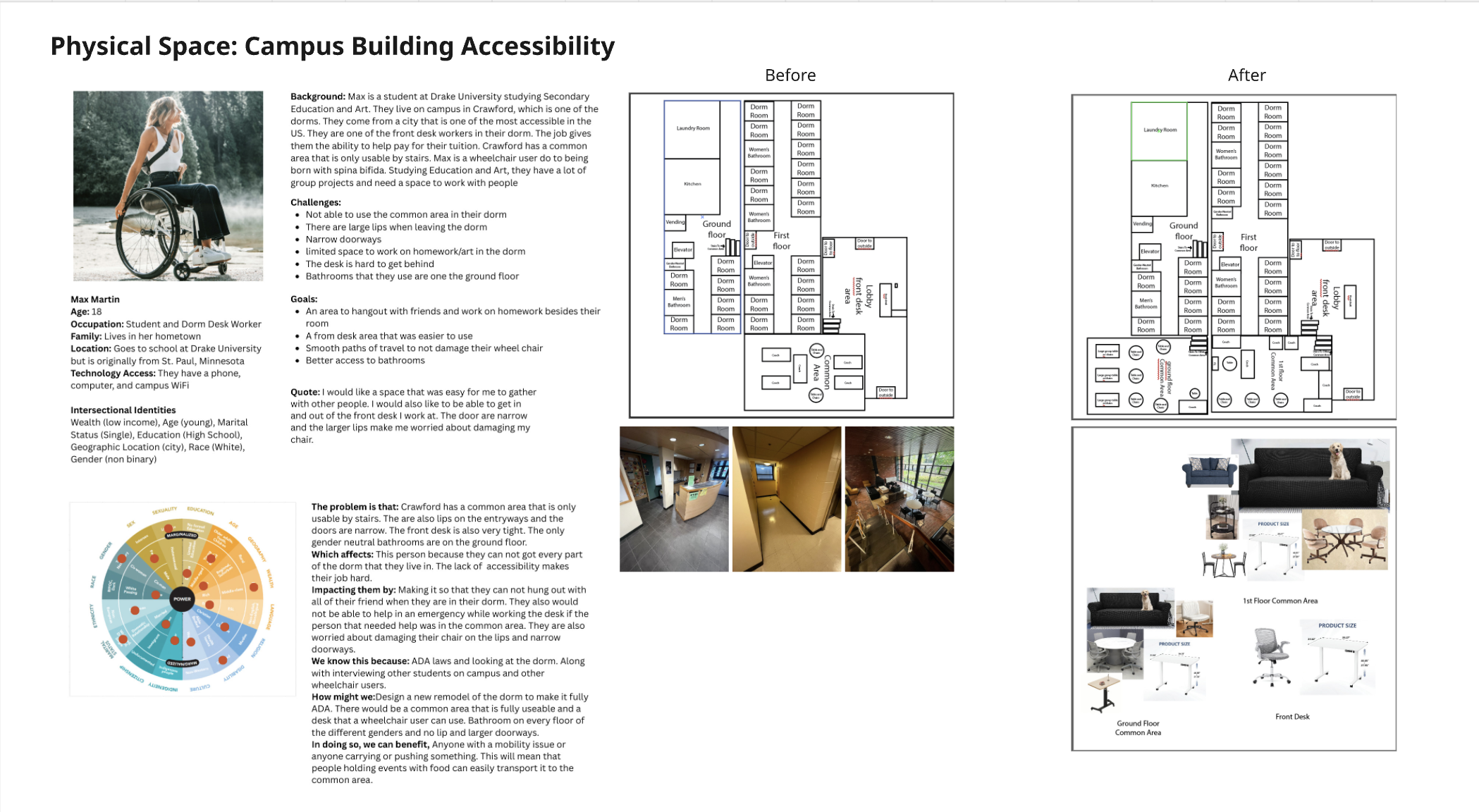
Using the Equitable Design Toolkit, students created personas that incorporated identity, lived experiences, and contextual factors to better understand the needs of diverse users and support more equitable design decisions. These personas served as a reference throughout the design process, helping students make informed decisions, evaluate concepts, and develop solutions that responded to users’ social, cultural, and environmental contexts.
The toolkit was implemented across a range of design classroom projects, from UX and digital interface design to the design of physical environments. Students applied the toolkit to develop new design solutions, assess and redesign existing products and experiences, and identify potential barriers, biases, and exclusions. Across these different contexts, students used equitable design methods to consider who might be overlooked or underserved and explore how design decisions could create more inclusive and equitable experiences.